7 Essential Tips for Mastering Winter Hiking: Your Guide to Safe and Thrilling Adventures
Don't let the cold keep you indoors. Discover our expert guide to mastering winter hiking, from the science of layering to essential safety protocols for the snowy trails.
15.1.2026
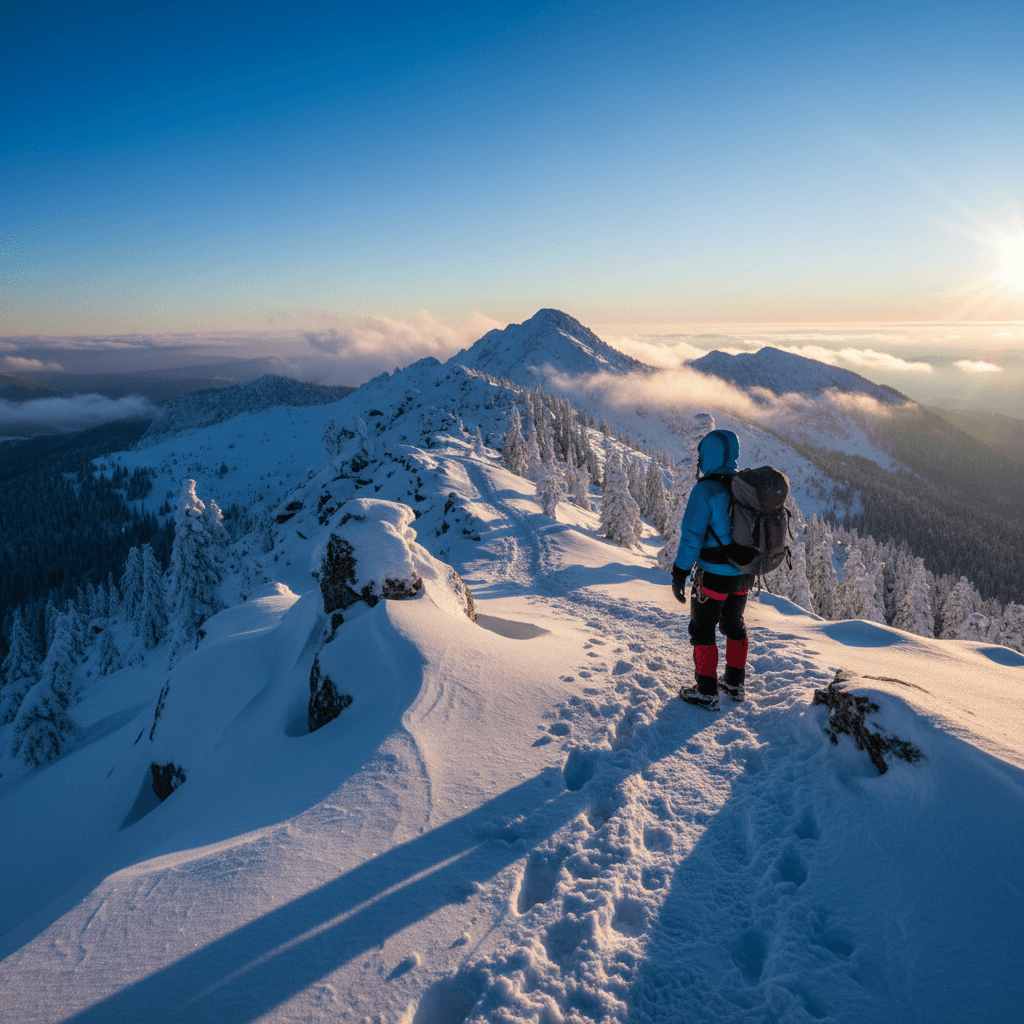
Embrace the Frozen Frontier: Why Winter Hiking is Worth the Effort
When the first snowfall blankets the mountains, many hikers pack away their boots and wait for spring. However, those who retreat indoors are missing out on one of the most serene and rewarding experiences nature has to offer. Winter hiking transforms familiar landscapes into a quiet, crystalline wonderland, offering a unique sense of solitude and a physical challenge that summer trails simply cannot match.
At EXIsport, we believe that an active lifestyle shouldn't be seasonal. With the right knowledge and preparation, the cold becomes an invitation rather than a barrier. Winter hiking requires a shift in mindset and a more technical approach to gear and safety. This guide is designed to provide you with the essential knowledge needed to navigate snowy terrains confidently, ensuring your winter adventures are as safe as they are exhilarating.
1. Master the Three-Layer System
In the world of winter sports, the layering system is the golden rule. The goal is not just to stay warm, but to manage moisture. Sweat is your greatest enemy in sub-zero temperatures; if your clothes become damp, you risk a rapid drop in body temperature once you stop moving.
- The Base Layer: This is your moisture-management layer. It should be made of synthetic materials or merino wool. These fabrics wicks sweat away from your skin. Never use cotton, as it absorbs moisture and loses all insulating properties when wet.
- The Mid Layer: This is your insulation. It traps heat close to your body. Fleece jackets or lightweight down vests are excellent choices here. Depending on the temperature, you might even use two thin mid-layers instead of one thick one for better temperature regulation.
- The Outer Layer (Shell): Your final defense against the elements. This layer must be windproof and waterproof but breathable. A high-quality hardshell jacket will protect you from biting winds and heavy snow while allowing internal moisture vapor to escape.
2. Prioritize Footwear and Traction
Your feet are your primary tools on the trail, and in winter, they face the dual threat of freezing temperatures and slippery surfaces. Standard summer hiking shoes are rarely sufficient for deep snow or icy inclines.
Invest in dedicated winter hiking boots that feature waterproof membranes and specialized insulation. Furthermore, the outsole should have a rubber compound designed to remain flexible in the cold, providing better grip. However, even the best boots need help on ice. Always carry traction devices, such as micro-spikes or crampons, in your pack. These can be easily slipped over your boots when you encounter frozen sections of the trail, preventing dangerous slips and falls.
3. Hydration and Nutrition in the Cold
A common mistake in winter hiking is neglecting hydration. Because you aren't sweating as visibly as you do in July, you may not feel thirsty. However, the air is much drier in winter, and your body works harder to humidify the air you breathe, leading to significant fluid loss.
Use insulated hydration sleeves for your water bottles to prevent the liquid from freezing. For nutrition, focus on high-calorie, easy-to-eat snacks that won't turn into bricks in the cold. Nuts, chocolate, and energy bars are excellent. A thermos filled with a warm beverage or soup can also provide a vital psychological and physiological boost during a summit break.
4. Respect the Shorter Daylight Hours
One of the most critical factors in winter hiking is the limited window of sunlight. In January, the sun sets significantly earlier than in the summer months. A trail that takes four hours in August might take six hours in January due to snow depth and difficult footing.
Always start your hike as early as possible. Calculate your turnaround time based on the sunset, not the completion of the trail. Even if you plan to be back by 3:00 PM, always carry a high-quality headlamp with extra batteries. In the winter woods, darkness falls fast and absolute; being caught without a light source is a major safety risk.
5. Navigation and Electronic Reliability
Snow can completely obscure trail markers and paths, making navigation much more difficult. Familiar landmarks look different when covered in white. While GPS apps are incredibly helpful, remember that cold temperatures drain battery life at an accelerated rate.
Keep your phone and GPS devices close to your body (in an internal pocket) to use your body heat to preserve the battery. More importantly, always carry a physical map and a compass. These analog tools do not have batteries and will not fail you in extreme cold. Before heading out, inform someone of your exact route and expected return time.
6. Understand the Signs of Hypothermia and Frostbite
Expertise in winter hiking involves more than just walking; it involves constant self-assessment. You must be able to recognize the early warning signs of cold-related injuries in yourself and your companions.
- Hypothermia: Look for the "mumbles, stumbles, and grumbles." Shivering is the body's first defense, but if shivering stops and the person becomes confused or clumsy, it is a medical emergency.
- Frostbite: This usually affects extremities like fingers, toes, and the nose. If skin becomes white, waxy, or numb, it is freezing. Immediate action is required to warm the area gently.
7. Check the Weather and Avalanche Forecasts
Winter weather is notoriously unpredictable. A clear morning can quickly turn into a dangerous whiteout. Always check a detailed mountain weather forecast before leaving.
If you are hiking in alpine terrain or on steep slopes, you must also check the local avalanche bulletin. Even if you aren't skiing, hikers can trigger avalanches or be caught in the path of one. If the risk is high, choose a lower-altitude forest trail instead of a high-mountain ridge. Safety should always be your primary objective.
Step-by-Step: Preparing Your Winter Hiking Pack
Preparation is the key to a successful winter outing. Follow these steps to ensure you haven't forgotten the essentials before you hit the trailhead:
- Check the Forecast: Look at the specific elevation you will be hiking at, not just the nearest town.
- Layer Up: Put on your base and mid-layers, and keep your shell jacket easily accessible at the top of your pack.
- Pack the "Ten Essentials": This includes navigation, a headlamp, sun protection (snow blindness is real!), first aid, a knife, fire starters, an emergency shelter (like a space blanket), extra food, extra water, and extra clothes.
- Test Your Gear: Ensure your headlamp has fresh batteries and your traction devices fit your boots correctly.
- Pack Your Insulation: Include a heavy "puffy" jacket to put on immediately when you stop for breaks to prevent your body temperature from plummeting.
- Notify a Contact: Send your itinerary to a friend or family member.
- Final Gear Check: Ensure your map is in a waterproof sleeve and your phone is fully charged.
Conclusion: The Reward of the Cold
Winter hiking is a demanding but deeply fulfilling pursuit. It requires more discipline and better equipment than summer trekking, but the rewards—the silence of a snow-covered forest, the crispness of the air, and the sheer beauty of the frosted peaks—are unparalleled. By following these seven essential tips and respecting the power of the season, you can extend your hiking year and discover the magic of the mountains in their most pristine state.
At EXIsport, we are dedicated to supporting your passion for the outdoors. Whether you are a beginner taking your first steps into the snow or an experienced mountaineer, the right preparation makes all the difference. Stay safe, stay warm, and we will see you on the trails!
Ready to gear up for your next adventure? Explore our wide range of winter apparel and equipment designed to keep you performing at your best, no matter the temperature.