Maximalist Comfort vs. Responsive Speed: Comparing Running Shoe Technologies for Spring 2026
As the spring season approaches, choosing the right running shoe is critical for performance and injury prevention. We compare the two leading philosophies in modern footwear: maximalist cushioning and high-response energy return to help you find your perfect match.
2.3.2026
Finding Your Pace in the Spring Transition
As the frost of February begins to recede and the first signs of spring emerge, runners everywhere are preparing to move their training from the treadmill back to the pavement. On February 28, 2026, we stand at the threshold of a new outdoor season—a time when gear selection becomes the most important decision for both seasoned marathoners and weekend joggers.
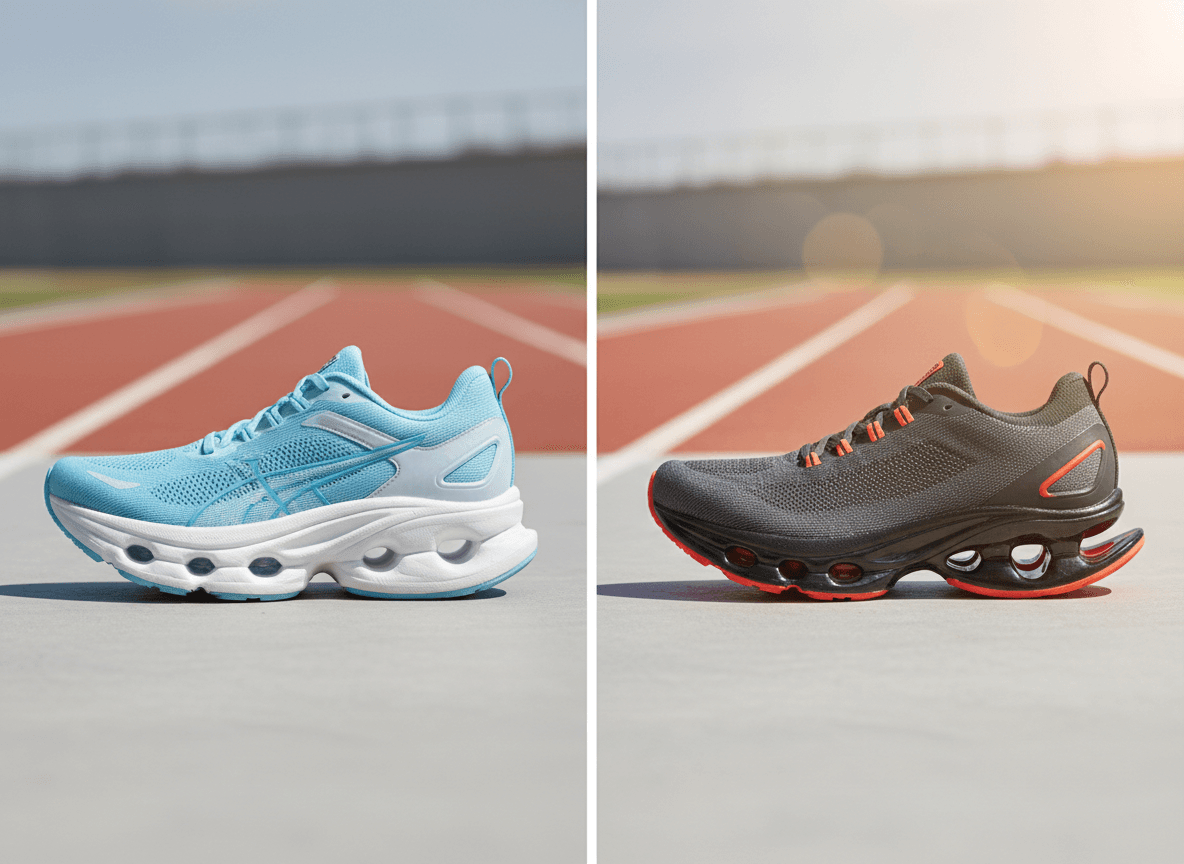
The footwear industry has evolved into two distinct technological camps: those who prioritize maximalist cushioning for joint protection and long-distance comfort, and those who focus on energy return and responsive speed. Understanding the nuances between these technologies is the key to unlocking your potential and ensuring your spring runs are both productive and pain-free.
The Philosophy of Maximalism: Cushioning Technology and Stability
Maximalist shoes have redefined the running landscape over the last decade. This design philosophy is centered around a high stack height—essentially a thicker midsole—that provides unparalleled shock absorption.
Key Benefits of Maximalist Cushioning:
- Impact Protection: By using advanced EVA or PEBA foams, these shoes dissipate the force of each footstrike, which is particularly beneficial for runners recovering from injury or those tackling high-volume mileage.
- Stability Features: Modern maximalist shoes often incorporate "cradle" designs or wider platforms. This stability is not just for overpronators; it provides a consistent base that prevents foot fatigue during the later stages of a long run.
- Rocked Geometry: Many shoes in this category feature a "meta-rocker" geometry, which encourages a natural rolling motion from heel to toe, reducing the workload on the calf muscles and ankles.
For the spring transition, where road surfaces may still be uneven or damp, the broad base of a maximalist shoe offers a sense of security that leaner models might lack.
The Philosophy of Response: Energy Return and Connectivity
On the other side of the spectrum are shoes engineered for speed and "ground feel." These models utilize energy return technologies—often involving pressurized foam or TPU (Thermoplastic Polyurethane) inserts—that act like a spring under your foot.
Why Choose High-Response Technology?
- Propulsion: Instead of just absorbing energy, these midsoles store it and release it during the toe-off phase. This creates an "explosive" feel that is ideal for interval training, tempo runs, and racing.
- Lightweight Construction: To maximize speed, these shoes often feature thinner uppers with high breathability. This ensures that even as temperatures rise in the coming months, your feet remain cool and dry.
- Ground Feedback: Runners who prefer to feel the surface beneath them often find responsive shoes more engaging. This connectivity allows for quicker lateral movements and better agility on winding urban paths.
Stability vs. Neutrality: The Great Gait Debate
When comparing footwear, you must first understand your own biomechanics. A shoe that works for a neutral runner might cause discomfort for someone who overpronates.
| Feature | Stability-Focused Shoes | Neutral-Response Shoes |
|---|---|---|
| Primary Goal | Correcting gait and preventing roll | Maximizing natural movement and speed |
| Midsole Tech | Medial posts or H-Frame support | Uniform foam or carbon plates |
| Best For | Flat feet, overpronation, long recovery runs | High arches, neutral gait, speed work |
| Feel | Secure, guided, and plush | Firm, bouncy, and fast |
Breathability and Durability: Essential Spring Features
Spring weather is notoriously unpredictable. One day you are running in crisp 5°C air, and the next, you are facing a humid 18°C afternoon. This is where breathability becomes a non-negotiable feature. Look for engineered mesh uppers that allow heat to escape while providing enough structure to keep the foot locked in place.
Furthermore, durability is a major factor in the "cost-per-mile" of your gear. Maximalist foams are incredibly comfortable but can sometimes compress over time. In contrast, energy-return foams like TPU tend to retain their "pop" for a longer period, even after hundreds of kilometers. When choosing your spring pair, consider your weekly mileage and whether you need a shoe that will last until the autumn transition.
Conclusion: Which Technology Suits Your Spring Goals?
Choosing between maximalist cushioning and responsive energy return ultimately depends on your personal goals for the 2026 season.
If your focus is on building a base, protecting your joints, and enjoying long, scenic routes, a shoe with advanced cushioning technology and a stable platform is your best ally. It will provide the comfort needed to stay consistent through the variable spring weather.
However, if you are chasing a personal best, training for a 5K or 10K race, or simply prefer a faster, more energetic feel, prioritize a shoe designed for energy return. The lightweight design and superior breathability will keep you moving at peak performance as the days grow longer.
At EXIsport, we believe in the power of the right gear to transform your athletic journey. Whether you seek the clouds of maximalism or the springs of responsiveness, the perfect pair is waiting to power your first steps into spring.