The Foundation of Performance: An Expert Interview on Functional Strength With Coach Robert Miller
Unlock your athletic potential by mastering the science of functional strength. We sit down with Coach Robert Miller to discuss how targeted conditioning can transform your performance in running, cycling, and winter sports while keeping you injury-free.
13.2.2026
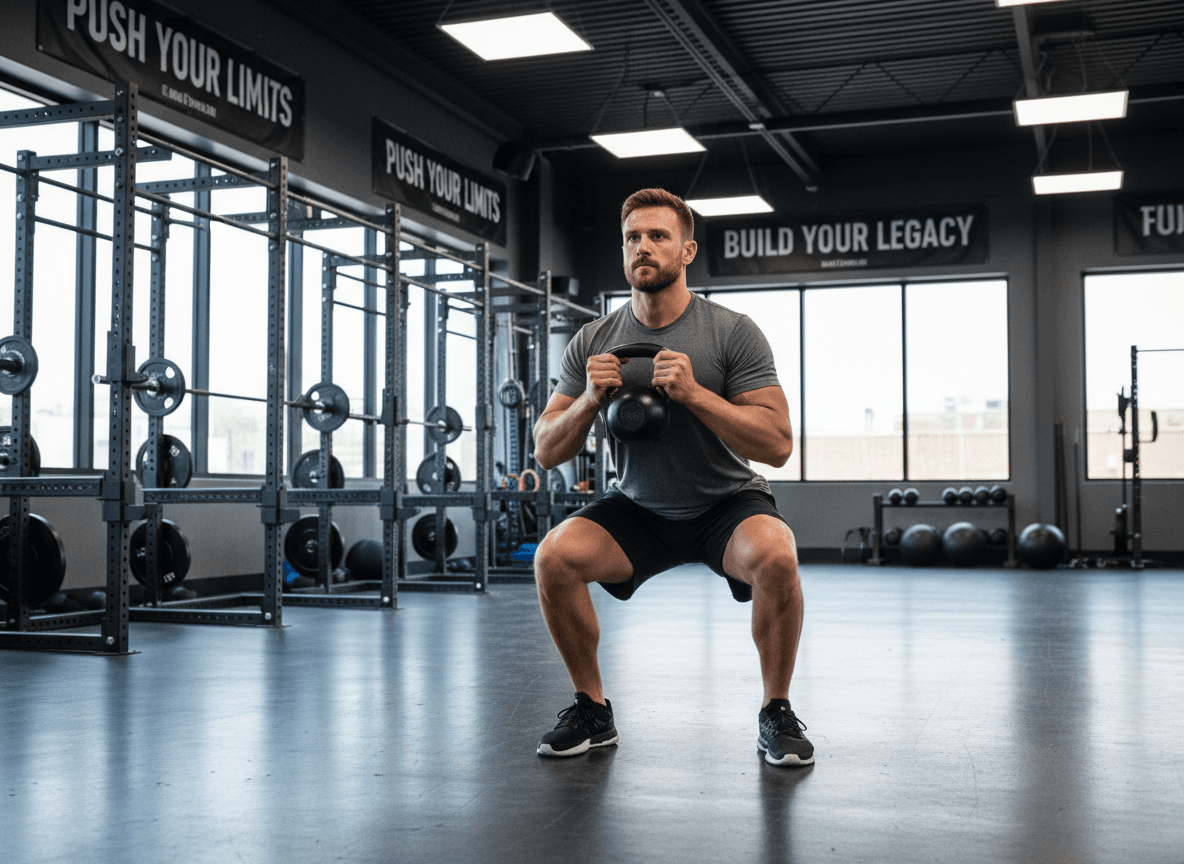
In the pursuit of athletic excellence, many enthusiasts focus solely on their primary discipline—be it logging miles on the pavement, climbing mountain passes on a bike, or carving turns on the slopes. However, the secret to longevity and peak performance often lies not in the sport itself, but in the physical foundation upon which that sport is built. This foundation is functional strength.
At EXIsport, we believe that every athlete, from the weekend warrior to the competitive professional, deserves access to the knowledge that drives performance. To delve deeper into the science of conditioning, we sat down with Coach Robert Miller, a renowned expert in strength and conditioning, to discuss how functional training can redefine your athletic journey.
Defining Functional Strength for the Modern Athlete
EXIsport: Coach Miller, the term "functional strength" is used frequently in the fitness industry, but it is often misunderstood. How do you define it in the context of multi-sport performance?
Coach Robert Miller: "Functional strength is essentially the ability of the neuromuscular system to perform work efficiently during movement. It isn't just about how much weight you can lift in a static environment like a bench press. Instead, it’s about how that strength translates to the real-world demands of your sport. For a runner, it’s the ability to maintain pelvic stability through the gait cycle. For a skier, it’s the eccentric strength to manage high-velocity turns. True strength is the ability to control your body through space under load, ensuring that every joint is supported and every movement is purposeful."
EXIsport: Why should an endurance athlete, such as a marathoner or a long-distance cyclist, prioritize strength training when their primary goal is aerobic capacity?
Coach Robert Miller: "It’s a common misconception that strength training adds unnecessary bulk that slows you down. In reality, functional conditioning improves power-to-weight ratios and running economy. When your muscles are stronger, they require less oxygen to perform the same amount of work. Furthermore, strength training builds structural integrity. Endurance sports are repetitive; without a strong foundation, those thousands of repetitions lead to overuse injuries. I always tell my athletes: strength is the container that holds your skill and endurance. If the container is small or weak, you will eventually leak performance."
The Role of Core Stability in Multi-Sport Success
EXIsport: You often emphasize the 'core' as the powerhouse of the body. How does core stability impact different sports differently?
Coach Robert Miller: "The core is the bridge between your upper and lower body. If that bridge is unstable, energy is lost. In cycling, a stable core allows you to transfer maximum power to the pedals without rocking your hips. In skiing, the core is your primary shock absorber and stabilizer against the forces of gravity and terrain. We focus on 'anti-rotation' and 'anti-extension' exercises. We want the core to resist unwanted movement, which in turn protects the spine and allows the limbs to work more effectively."
Strength Training as the Ultimate Injury Prevention Tool
EXIsport: Injury prevention is a major concern for our community. How does a well-structured strength program act as a safeguard?
Coach Robert Miller: "Most sports injuries occur because a specific tissue—be it a tendon, ligament, or muscle—is subjected to a load it cannot handle. Strength training increases the load-bearing capacity of these tissues. By performing compound movements like squats, lunges, and deadlifts, you are not just building muscle; you are increasing bone density and strengthening connective tissues. This is especially vital as we age. A resilient body can withstand the 'oops' moments—the slip on a trail or the sudden change in direction on a court—without resulting in a season-ending injury."
Periodization: Balancing the Gym and the Great Outdoors
EXIsport: Many athletes struggle with timing. How should they balance heavy lifting with their active outdoor seasons?
Coach Robert Miller: "This is where periodization comes in. You shouldn't be doing your heaviest, most taxing lifting during the peak of your competitive or high-activity season. During the 'off-season' or transition periods, we focus on building maximum strength and correcting imbalances. As the primary sports season approaches, we shift toward maintenance and power. The goal is to arrive at your start line or the trailhead feeling fresh and explosive, not fatigued from the gym. Even two 30-minute sessions a week of focused maintenance can preserve the gains you made in the winter."
Essential Movements for Every Athlete
EXIsport: If an athlete could only perform three movements to improve their functional strength, what would you recommend?
Coach Robert Miller: "That’s a tough choice, but I would prioritize these three for their high carry-over to almost any sport:
- The Single-Leg RDL (Romanian Deadlift): Most sports are played one leg at a time. This move builds posterior chain strength, balance, and ankle stability.
- The Goblet Squat: It teaches proper squat mechanics, opens the hips, and strengthens the anterior core.
- The Loaded Carry (Farmer’s Walk): It is the ultimate functional move. It builds grip strength, shoulder stability, and incredible core endurance under load."
The Importance of Quality Gear in Training
EXIsport: At EXIsport, we focus on providing the right equipment. How much does gear matter in the strength and conditioning process?
Coach Robert Miller: "Gear is your interface with the environment. In the gym, footwear is paramount. You need a stable base—shoes that don't compress too much under load so you can feel the floor. Apparel should allow for a full range of motion without distraction. If you’re constantly adjusting your clothes, you aren't focused on your form. High-quality, moisture-wicking fabrics are essential because even indoor training sessions can become high-intensity. When you feel professional in your gear, you perform with a professional mindset."
Conclusion: Integrating Strength into Your Lifestyle
Functional strength is not a destination; it is a continuous process of refinement and preparation. As Coach Robert Miller highlighted, the goal of training is to enhance your life outside the gym—to make the mountains feel smaller, the trails feel smoother, and the miles feel shorter.
By incorporating these principles of stability, resilience, and periodization, you are not just training for a season; you are training for a lifetime of activity. At EXIsport, we are committed to supporting this journey by providing the high-performance apparel, footwear, and accessories you need to execute your training with precision.
Remember, your body is the most important piece of equipment you will ever own. Invest in its strength, and it will reward you with years of adventure.
Ready to elevate your training? Explore our latest arrivals in high-performance training apparel and footwear at EXIsport and start building your foundation today.