The February Shift: Essential Gear for Late Winter Adventures
As February brings longer days and shifting winter conditions, discover how to optimize your outdoor performance with advanced technical apparel and gear designed for the late-season freeze.
4.2.2026
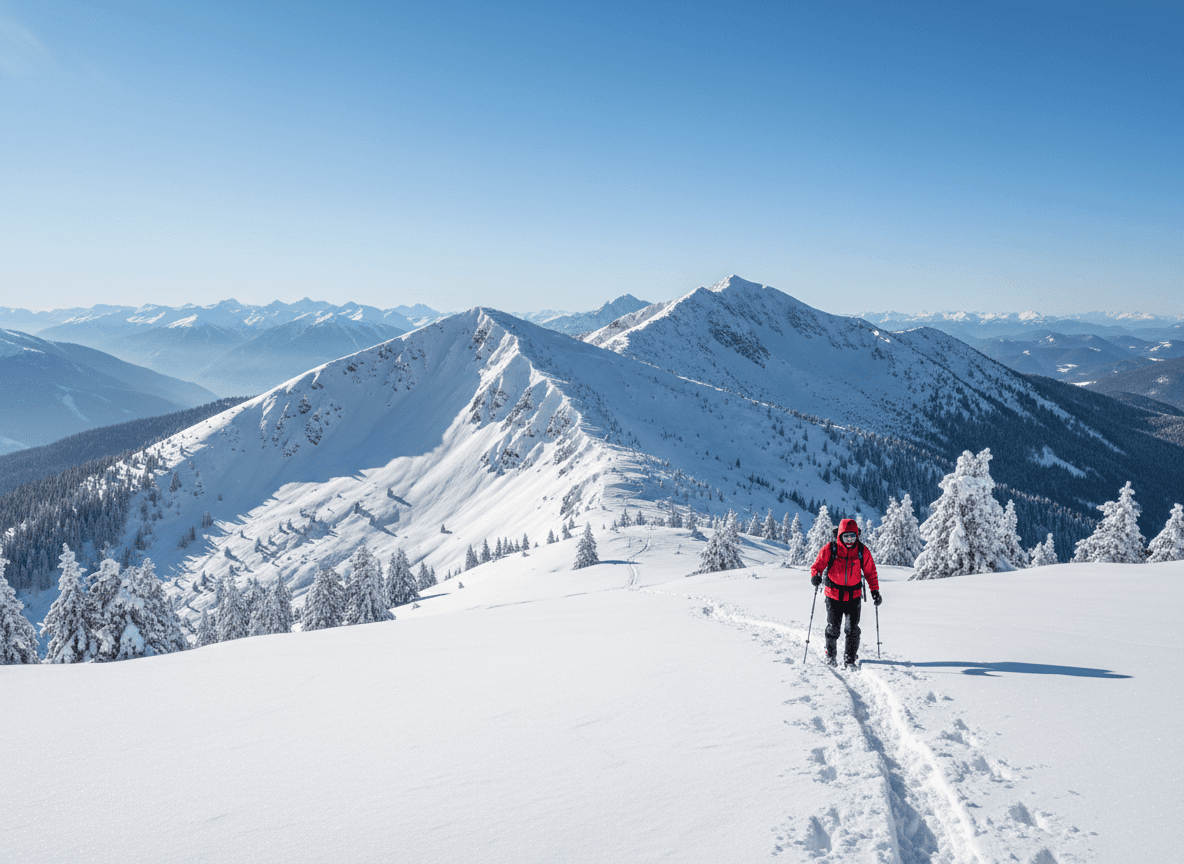
The Unique Character of February Winter
February occupies a distinct space in the winter calendar. While the calendar marks it as the final full month of winter, experienced outdoor enthusiasts know that this is often when the season is at its most demanding. The days are beginning to lengthen, providing more daylight for exploration, yet the temperatures can remain brutally low, often punctuated by sudden thaws and unexpected snowstorms. This transition requires a strategic approach to gear—one that emphasizes versatility, high-level thermal regulation, and uncompromising protection.
For those who refuse to let the cold dictate their activity levels, February is the peak of the season. Whether you are skinning up a remote ridge, carving through groomed runs, or trekking through frozen forests, the demands on your equipment are multifaceted. You need gear that breathes when you are working hard on an ascent but provides immediate warmth when the wind picks up or the sun dips behind a peak. This is where the science of technical apparel becomes your most valuable asset on the trail.
Mastering the Microclimate: The Science of Layering
At the heart of any successful winter adventure is the layering system. In February, the goal isn't just to stay warm; it's to manage moisture. Moisture management is the critical factor that separates a comfortable day from a dangerous one. When you sweat during exertion, that moisture must be moved away from your skin. If it stays trapped, it will eventually cool down, leading to a rapid drop in body temperature once you stop moving.
The Base Layer: Your Second Skin
The foundation of your system should always be a high-quality base layer. In late winter, merino wool is often the gold standard. Unlike synthetic materials, merino wool can absorb a significant amount of moisture while still feeling dry to the touch and maintaining its insulating properties. It also offers natural odor resistance, which is a significant benefit for multi-day trips.
 Blizzard Mens long pants, merino wool, anthracite
For men seeking reliable performance, the Blizzard Mens long pants, merino wool provide an exceptional foundation. These thermal pants utilize the natural benefits of merino to ensure that your lower extremities remain warm without overheating during high-intensity movements like skiing or winter hiking.
The Mid-Layer: Active Insulation
The mid-layer's job is to trap heat while continuing the process of moisture transfer. In February, we often recommend "active insulation"—garments that are designed to be worn during movement. These are typically breathable fleeces or lightly insulated jackets that allow excess heat to escape while providing a necessary thermal barrier.
 BRUSHED UNDERWEAR M101-WAW25UBRUM101-20S-DEEP BLACK
A versatile choice for this role is the 4F BRUSHED UNDERWEAR M101. This insulated mid-layer features a 1/2 zip, which is a crucial feature for manual thermal regulation. When you feel your core temperature rising, opening the zip allows for immediate ventilation, helping you maintain a steady state of comfort without having to stop and remove layers.
Footwear for Mixed Conditions: Dealing with Ice and Slush
February trails are rarely uniform. You might start on a frozen, icy path in the morning, only to find yourself navigating soft snow or even slushy patches by the afternoon as the sun gains strength. This variability places immense pressure on your footwear. You need a boot that is waterproof, insulated, and equipped with a sole capable of gripping diverse surfaces.
For women tackling serious winter treks, all-leather construction combined with modern membrane technology offers the best of both worlds. Leather provides natural durability and structure, while a Gore-Tex lining ensures that external moisture stays out while internal vapor can escape.
 Forge Winter GTX Ws, black/st fiume
The TECNICA Forge Winter GTX Ws is specifically engineered for these demanding conditions. With a 32% discount, these boots represent a premium investment in safety and comfort. Their high-cut design provides essential ankle support on uneven frozen terrain, and the specialized winter sole is designed to maintain flexibility and grip even in sub-zero temperatures.
The Technical Pack: Your Mobile Command Center
As you venture further into the backcountry during the late winter months, your backpack becomes more than just a place to store your lunch. It is your mobile command center, housing your safety gear, extra performance layers, and hydration. In February, a technical pack must be able to handle the weight of winter equipment while remaining comfortable and stable during dynamic movements.
For those engaged in ski touring or high-altitude hiking, specialized features like ski carry systems, ice axe loops, and dedicated compartments for avalanche safety gear (shovels and probes) are non-negotiable.

The SALEWA WINTER MATE 28L W is an excellent example of a pack designed for the specific ergonomics of winter sports. With a 28-liter capacity, it provides ample space for a full day's worth of gear without being overly bulky. Its suspension system is designed to distribute weight effectively, ensuring that even when fully loaded, your mobility remains uncompromised during your outdoor adventure.
Essential Tips for February Outdoor Safety
While having the right gear is paramount, knowledge and preparation are equally important. Here are a few expert tips for navigating the late winter season:
- Check the Avalanche Forecast: February often sees significant snow accumulation on top of older, icy layers, creating unstable conditions. Always check local reports before heading into the backcountry.
- Hydrate and Fuel: Your body burns significantly more calories in the cold just to maintain its core temperature. Even if you don't feel thirsty, drink water regularly and carry high-energy snacks.
- Protect Your Eyes: The sun's reflection off the snow in February can be incredibly intense. High-quality polarized sunglasses or goggles are essential to prevent snow blindness and eye fatigue.
- Mind the Daylight: While days are getting longer, the sun still sets relatively early. Always carry a headlamp with fresh batteries, even if you plan to be back before dark.
Conclusion: Embracing the Peak of the Season
February is a month of incredible beauty and challenge. It offers some of the best snow conditions of the year and the opportunity to experience the mountains in their most pristine state. By investing in the right winter sports gear and understanding the principles of thermal regulation, you can transform the challenges of the season into opportunities for growth and adventure.
At EXIsport, we are committed to providing you with the highest quality equipment from trusted brands like Salewa, Tecnica, and Blizzard. Our selection is curated to ensure that whether you are a professional athlete or a weekend warrior, you have the tools you need to perform at your best and stay safe in the elements.
Don't let the tail end of winter pass you by. Equip yourself with the latest technical apparel and make the most of every snowy trail and mountain peak. Explore our full range of winter equipment and shop now to find the perfect gear for your next February expedition.