The New Frontier: High-Altitude Training and Recovery Innovations for 2026
Explore how high-altitude training and advanced recovery technologies are reshaping athletic performance in 2026. From simulated hypoxia to AI-driven rest protocols, discover the future of sports science.
23.1.2026
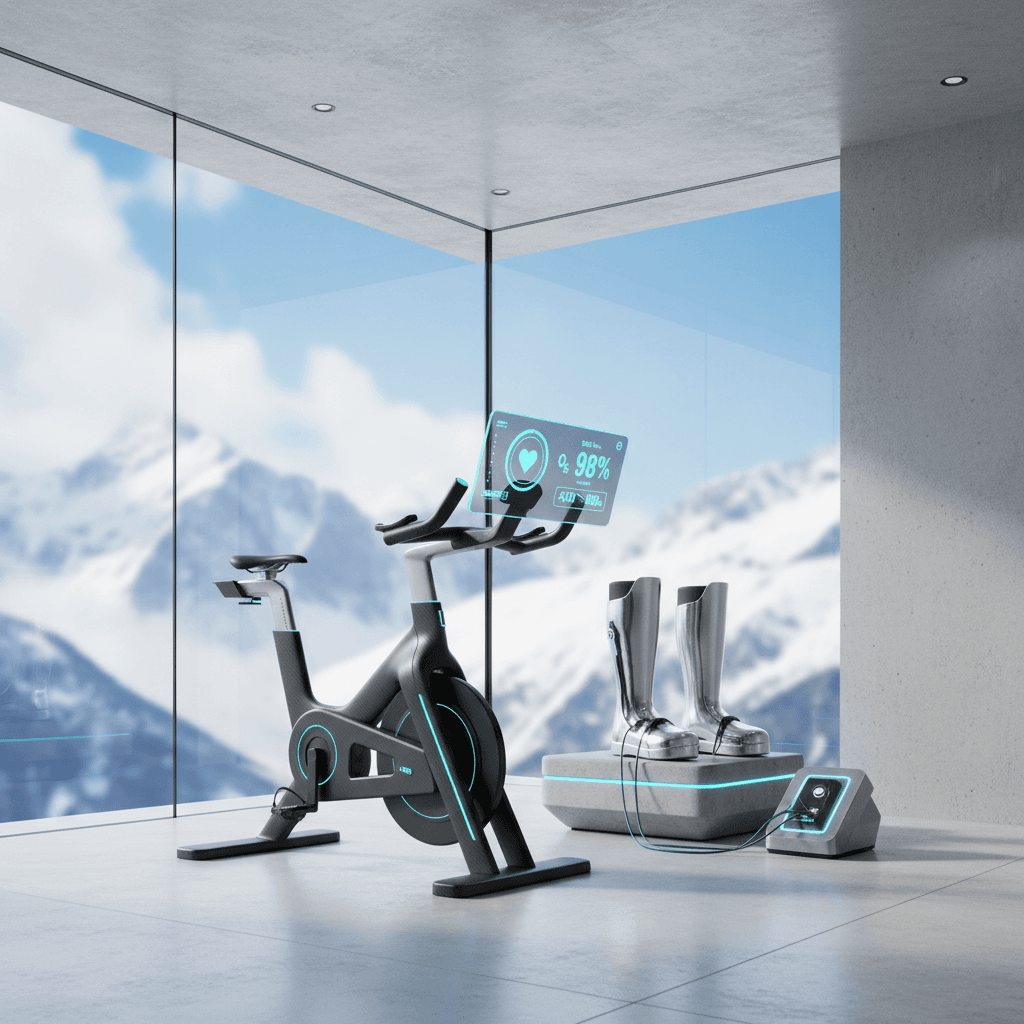
As we move deeper into January 2026, the landscape of athletic performance is undergoing a seismic shift. What was once the exclusive domain of Olympic training centers and professional sports laboratories is now becoming accessible to the dedicated enthusiast. At EXIsport, we believe that staying ahead of the curve is essential for any athlete looking to reach their peak potential. This year, the focus has moved beyond mere physical exertion toward a more sophisticated, science-driven approach to training and, perhaps more importantly, recovery.
Two major trends are dominating the headlines in the sports world this season: the integration of simulated high-altitude training into daily routines and the rise of hyper-personalized, AI-driven recovery technology. These innovations are not just about marginal gains; they represent a fundamental change in how we understand human physiology and performance optimization.
The Science of Simulated Altitude: Hypoxia for the Masses
High-altitude training, or hypoxia training, has long been a staple for endurance athletes. By training in environments with lower oxygen levels, the body is forced to adapt by increasing its production of red blood cells and improving its oxygen-carrying capacity. In 2026, we are seeing a surge in technology that allows athletes to simulate these conditions without ever leaving their home gym.
Simulated altitude systems, including hypoxic tents and specialized breathing masks, are now more portable and user-friendly than ever. These systems allow for "Live High, Train Low" (LHTL) protocols, where athletes sleep in a hypoxic environment to stimulate physiological adaptations while training at sea level to maintain high-intensity output. The news for 2026 is the refinement of these systems to be quieter, more energy-efficient, and fully integrated with wearable fitness tech.
Coach Robert Miller, a leading expert in strength and conditioning, notes the importance of this shift: "The democratization of sports science means that the average marathon runner or weekend cyclist now has access to the same physiological data and environmental controls that were exclusive to Pro Tour teams just five years ago. This shift is fundamentally changing how we approach volume and intensity."
Performance Optimization Through Biometric Precision
In 2026, performance optimization is no longer a guessing game. The latest generation of wearable fitness tech provides real-time insights into metrics that were previously difficult to track outside of a lab. We are seeing wearables that can monitor blood lactate levels, core body temperature, and even hydration status through non-invasive sensors.
This data is being fed into sophisticated AI algorithms that provide athletes with a "readiness score" each morning. This score dictates the intensity of the day’s workout, preventing overtraining and reducing the risk of injury. The trend is moving away from rigid training plans toward dynamic, data-responsive schedules that adapt to the athlete's actual physiological state.
The Recovery Revolution: Beyond the Foam Roller
While training methods are evolving, the most significant news in 2026 lies in the field of athletic recovery technology. The industry has recognized that the time spent not training is just as critical as the time spent on the field or in the gym. We are witnessing a revolution in how athletes manage inflammation, muscle soreness, and metabolic waste.
Advanced Compression and Percussion
Sequential pulse compression systems have become a standard fixture in the homes of serious athletes. These systems use air pressure to massage the limbs, promoting blood flow and lymphatic drainage. In 2026, these devices have become more intelligent, using sensors to detect areas of high muscle tension and adjusting the pressure patterns accordingly.
Similarly, percussion therapy devices have evolved. The latest models are quieter and feature AI-guided routines that sync with your workout data. If your wearable tech knows you’ve just completed a heavy leg day, your percussion device will automatically suggest a specific protocol to target the quadriceps and hamstrings.
The Role of Cryotherapy and Thermotherapy
Contrast therapy—the alternating use of heat and cold—has seen a resurgence thanks to new, eco-friendly home units. These systems can rapidly switch between temperatures, allowing athletes to benefit from the vasoconstriction of cold (to reduce inflammation) and the vasodilation of heat (to promote healing) in a single session. The focus in 2026 is on the precision of these temperatures, with research showing that even a few degrees can make a significant difference in recovery outcomes.
Coach Robert Miller emphasizes the psychological benefit of these technologies: "Recovery tech isn't just about the physical tissue; it's about the nervous system. These protocols help shift the athlete from a sympathetic 'fight or flight' state into a parasympathetic 'rest and digest' state. That is where the real growth happens."
Sustainable Tech: The "Think ECO" Approach to Innovation
At EXIsport, our commitment to an eco-conscious approach extends to the trends we follow. The latest innovations in sports science for 2026 are increasingly focused on sustainability. We are seeing recovery devices made from recycled ocean plastics and training equipment designed with modular components that can be easily repaired or upgraded, rather than replaced.
Energy-efficient simulated altitude systems and solar-powered wearables are becoming the industry standard. The goal is to achieve peak performance without leaving a heavy footprint on the environment we love to explore. This alignment of high performance and environmental responsibility is a key trend we expect to grow throughout the decade.
The Mental Edge: Neuroplasticity and Cognitive Training
Finally, 2026 is the year that cognitive training has truly entered the mainstream. Athletes are using VR (Virtual Reality) and AR (Augmented Reality) to improve their reaction times, spatial awareness, and decision-making skills under pressure. By simulating high-stakes game scenarios or complex trail descents, athletes can train their brains just as effectively as their muscles.
This "neuro-athletic" training is often paired with recovery protocols, such as meditation apps that use biofeedback to help athletes achieve deep states of relaxation. The realization that the brain is the ultimate governor of performance is driving a new wave of products designed to optimize mental clarity and focus.
Expert Insights on the Future of Training
To truly understand the impact of these trends, we must look at how they are applied in the field. Coach Robert Miller believes that the integration of these technologies requires a balanced approach.
"While the tech is incredible, it’s a tool, not a crutch," Miller explains. "The most successful athletes in 2026 will be those who use this data to better understand their own bodies, not those who become slaves to the numbers. We are seeing a move away from 'more is better' toward 'better is better.' Precision in recovery is the new competitive edge."
He further adds, "Simulated altitude training isn't just about red blood cells; it's about metabolic efficiency and mental toughness. It prepares the body for stress in a controlled environment, which translates directly to confidence when you're out on the mountain or the racecourse."
Conclusion
The sports world in 2026 is more exciting than ever. The barriers between amateur and professional training are dissolving, replaced by a shared access to cutting-edge sports science. Whether you are looking to shave minutes off your marathon time or simply want to recover faster after a weekend hike, the innovations in high-altitude training and athletic recovery technology offer a path to a stronger, more resilient version of yourself.
As we continue through this winter season, we encourage you to explore these new frontiers. Remember that performance is a holistic journey—one that requires the right equipment, the right data, and a deep respect for the recovery process. Stay active, stay informed, and let the science of 2026 propel you toward your athletic goals.
Are you ready to elevate your training? Explore our latest blog posts for more guides on gear maintenance and performance tips to keep you at the top of your game.