How to Choose the Perfect Daypack for Hiking: A Step-by-Step Guide
Selecting the right hiking backpack can make the difference between a blissful day on the trails and a painful trek back to the car. Discover how to choose the ideal daypack for your adventures with our expert guide.
21.1.2026
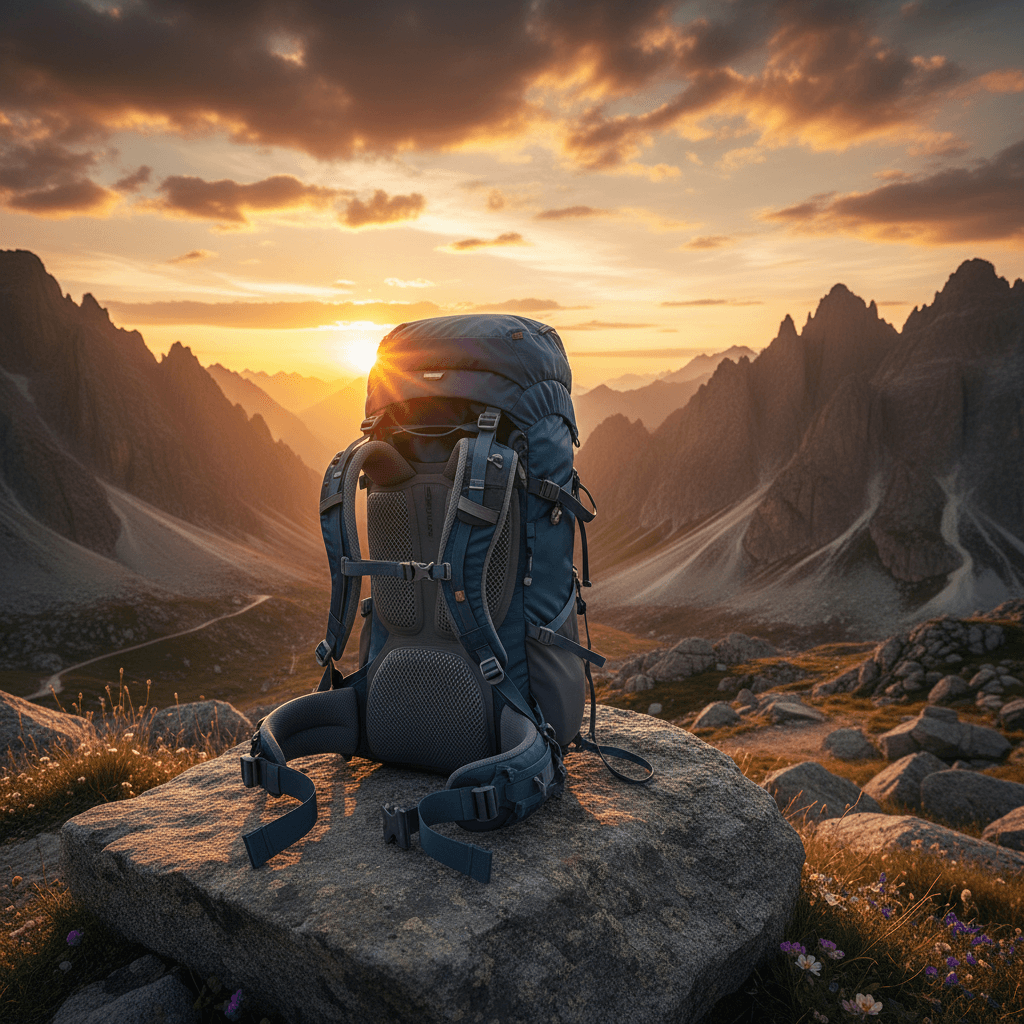
Choosing the right equipment is the foundation of any successful outdoor adventure. While your boots connect you to the earth, your backpack is your mobile basecamp. A poorly fitted or incorrectly sized daypack can lead to shoulder strain, back pain, and unnecessary fatigue, potentially turning a beautiful mountain hike into a test of endurance.
At EXIsport, we believe that every athlete and outdoor enthusiast deserves gear that enhances their performance and comfort. Whether you are a beginner taking your first steps on a local trail or an experienced hiker tackling demanding peaks, selecting the right daypack is a critical step. This guide will walk you through the process of finding the perfect companion for your back.
Step 1: Define Your Adventure Type
Before looking at technical specifications, you must determine what kind of hiking you do most often. Not all daypacks are created equal, and their design often reflects a specific purpose.
- Short Nature Walks (1-3 hours): You only need space for water, a snack, and a light windbreaker. A minimalist pack with basic features is sufficient.
- Full-Day Hikes (5-8 hours): You will need to carry extra layers (fleece, rain jacket), a first-aid kit, more substantial food, and at least 2 liters of water. Technical features like better ventilation and a hip belt become important.
- Technical or Winter Hiking: If you are hiking in winter or using trekking poles, you need a pack with external attachment points and enough volume for bulky thermal layers.
Step 2: Selecting the Right Volume (Liters)
Capacity is measured in liters, and for day hiking, the sweet spot usually falls between 15 and 40 liters. Choosing the right size ensures you aren't carrying unnecessary weight from a too-large pack, nor struggling to zip up a too-small one.
- 15–25 Liters: Perfect for summer day hikes and minimalist trekkers. These packs are lightweight and agile. A great example is the
 NORTHFINDER ANNAPURNA2 20L, which offers a 30% discount and provides enough space for essentials without the bulk.
 - 25–35 Liters: The most versatile range. It accommodates extra clothing for unpredictable mountain weather. The
 ANDE HIKING 25 LT, currently available with a 15% discount, is an excellent choice for those needing a bit more room for a full day out.
 - 35–45 Liters: Ideal for long winter days where you carry heavy jackets, or for parents carrying extra gear for children. The
 EVERETT TOURER 40 offers maximum capacity and is currently a fantastic value at 50% off.
Step 3: Evaluate Key Technical Features
Modern daypacks are packed with technology designed to improve your experience. Look for these essential features:
Back Ventilation Systems
Sweaty backs are a common complaint. Look for packs with suspended mesh back panels or channeled foam. These designs allow air to circulate between your back and the pack, keeping you cool during intense ascents.
Pockets and Organization
Consider how you like to access your gear.
- Side Mesh Pockets: Essential for quick access to water bottles.
- Hip Belt Pockets: Perfect for snacks, a phone, or a compass.
- Top Lid (Brain): Great for small items like sunglasses and sunscreen.
Weather Protection
Mountains are unpredictable. Many technical packs, such as the Everett Tourer series, often include an integrated rain cover hidden in a bottom pocket. This is a lifesaver when an afternoon storm rolls in.
Step 4: Achieving the Perfect Fit
A high-quality backpack only works if it fits your body correctly. Follow these steps to adjust your new pack:
- Torso Length: Ensure the pack matches your torso length. The top of the shoulder straps should start about 1-2 inches below your shoulders.
- The Hip Belt: This is the most important part. The belt should sit on top of your hip bones (the iliac crest). About 80% of the weight should be supported by your hips, not your shoulders.
- Shoulder Straps: Tighten these so they wrap snugly around your shoulders, but they shouldn't be carrying the bulk of the weight.
- Load Lifters: These are the small straps on top of the shoulder straps. Pull them to lean the pack closer to your back, preventing it from swaying.
- Sternum Strap: Connect this across your chest to keep the shoulder straps from sliding outward. It should not be so tight that it restricts breathing.
Step 5: How to Pack Efficiently
How you place items inside your pack affects your balance and center of gravity.
- Bottom: Place light, bulky items like a spare fleece or rain pants at the bottom.
- Middle (Close to Back): Place your heaviest items here (water reservoir, food). Keeping the weight close to your spine maintains your balance.
- Middle (Outer): Lighter items like a first-aid kit or extra layers.
- Top/Pockets: Items you need frequently, such as a map, snacks, or a headlamp.
Conclusion
Investing time in choosing the right daypack is an investment in your future adventures. By understanding your needs, selecting the appropriate volume, and ensuring a proper fit, you set yourself up for many comfortable miles on the trail. At EXIsport, we are committed to providing high-quality, authentic gear from trusted brands like Northfinder, Everett, and Ande to help you reach your athletic goals.
Remember to regularly check your gear for wear and tear, and always "Think ECO" by choosing durable products that last for years of exploration. Happy hiking!