How to Master the Art of Layering for Variable Spring Weather: A Technical Guide
As winter begins to fade and spring brings unpredictable temperatures, mastering your layering system is essential for outdoor performance. Learn how to choose the right technical apparel to stay dry, warm, and protected during the transition season.
18.2.2026
Introduction: The Challenge of the Transition Season
February and March represent some of the most challenging months for outdoor enthusiasts. One moment, you are basking in the warmth of a premature spring sun; the next, a biting wind or a sudden sleet shower reminds you that winter hasn't fully retreated. This volatility makes choosing the right outfit a complex task. If you dress too warmly, you risk overheating and soaking your clothes in sweat. If you dress too lightly, the cooling effect of the wind can lead to rapid heat loss and discomfort.
The solution lies in a scientific approach to dressing: the layering system. By using multiple thin layers of technical apparel instead of one heavy piece, you create a versatile microclimate that can be adjusted on the fly. In this guide, we will break down the mechanics of thermal regulation and provide a step-by-step tutorial on how to build the perfect spring outfit for hiking, running, or cycling.
The Science of the Three-Layer System
To understand layering, we must first understand how the body loses heat. During physical activity, your body produces heat and moisture (sweat). If this moisture stays against your skin, it conducts heat away from your body up to 25 times faster than dry air. The goal of a technical layering system is to manage this moisture while trapping just enough air to keep you warm.
- The Base Layer (Wicking): Moves sweat away from the skin.
- The Mid Layer (Insulation): Traps body heat to keep you warm.
- The Outer Layer (Protection): Shields you from wind, rain, and snow.
By mastering these three components, you ensure peak outdoor performance regardless of what the February sky throws at you.
Step 1: Choosing the Right Base Layer
The base layer is arguably the most critical component of your system. Its primary job is moisture management. In variable spring weather, you need a fabric that can quickly pull sweat away from your skin and distribute it across the outer surface of the fabric for evaporation.
For high-intensity activities like spring running or fast-paced hiking, a synthetic base layer is often the best choice. These fabrics are engineered to be hydrophobic, meaning they don't absorb water.

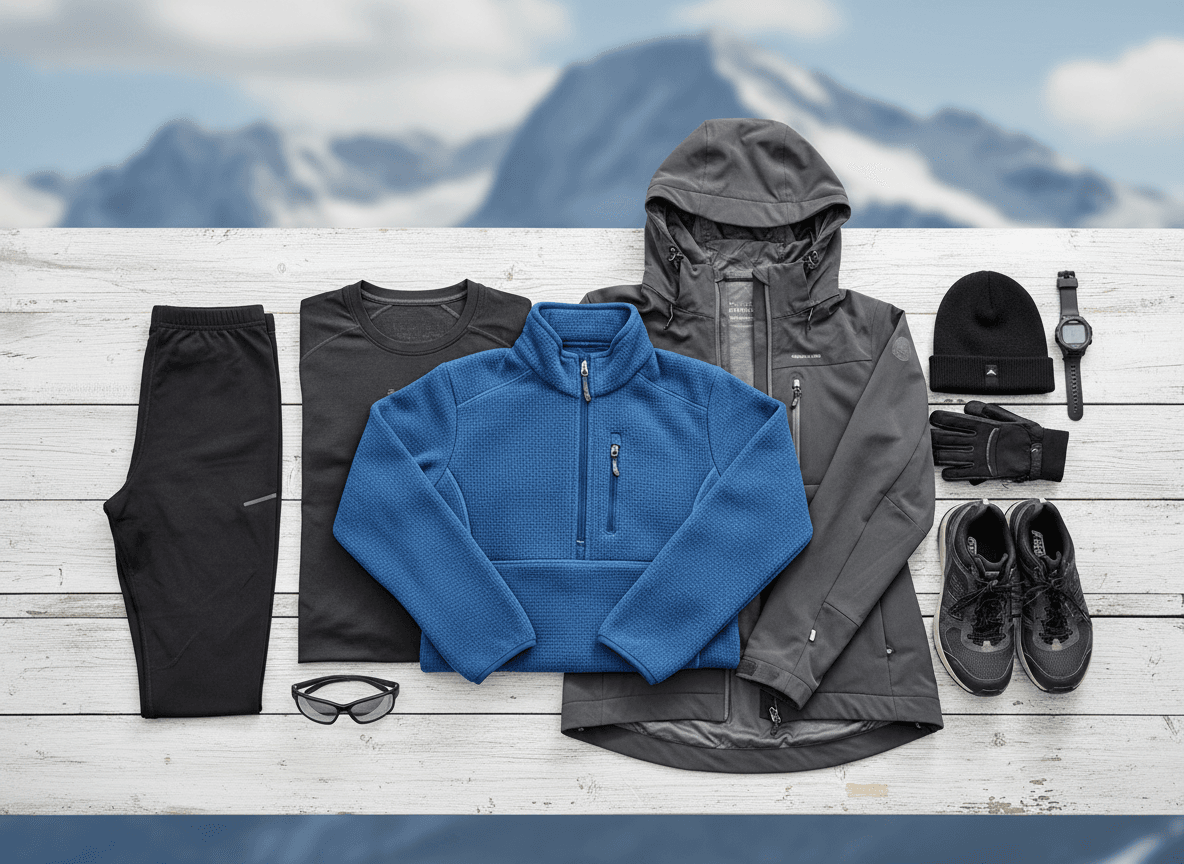
The Sportful Pro baselayer tee is an excellent example of a technical base layer designed for active movement. It provides a snug fit that facilitates efficient wicking, ensuring that even during steep ascents, your skin remains dry.
Step 2: Selecting the Insulating Mid Layer
Once moisture is moved away from the skin, the mid layer takes over the task of thermal regulation. This layer should be breathable enough to let moisture pass through to the outside, but structured enough to trap pockets of warm air.
In the transition from winter to spring, you often need a mid layer that offers a bit more protection than a standard summer fleece. Look for "hybrid" pieces or insulated sweatshirts that incorporate wind-resistant panels or brushed interiors for extra warmth without the bulk.

The Volcano B-WIND-300-GREEN, currently available with a 20% discount, is a versatile choice for this role. Its insulated construction provides the necessary warmth for chilly morning starts, while the full zipper allows for immediate ventilation as the day warms up.
Step 3: The Outer Shell – Protection Without Suffocation
The final layer is your shield. In spring, a heavy hardshell is often overkill unless it is actively raining. Instead, most athletes opt for a softshell jacket or a technical vest.
A softshell offers a high degree of wind resistance and water repellency while remaining significantly more breathable than a waterproof jacket. This breathability is vital; if the outer layer doesn't breathe, the moisture wicked by your base layer will condense on the inside of your jacket, making you cold and damp.

For those venturing into the mountains, the 4F Softshell jacket provides the perfect balance of protection and flexibility. With a 29% discount, it is a high-value investment for the spring season. If the weather is milder but the wind is still sharp, a vest like the 4F Vest Jacket (offering a massive 48% discount) can protect your core while allowing maximum heat dissipation through your arms.
Step-by-Step: How to Build Your Spring Layering System
Follow these steps to ensure you are prepared for any spring scenario:
- Check the Forecast and the 'RealFeel': Don't just look at the temperature. Check the wind speed. A 10°C day with 30 km/h winds feels significantly colder than a 5°C day with no wind.
- Start Cold: A common mistake is dressing so you feel warm while standing at the trailhead. You should feel slightly chilly before you start moving. Within 10 minutes of activity, your body temperature will rise.
- Prioritize the Core: If you are unsure about a full jacket, always choose a vest. Keeping your core warm ensures that your body continues to pump warm blood to your extremities.
- Manage Your Zippers: Don't wait until you are sweating to unzip. Use your zippers proactively to dump heat during climbs and zip up before you stop for a break or start a descent.
- Protect the Extremities: Even with a perfect 3-layer system, you can lose significant heat through your head and hands. Carry a lightweight beanie and thin gloves in your pocket.
Scenario-Based Adjustments
- For Spring Running: Focus on a high-wicking base layer and a lightweight windproof vest. You likely won't need a dedicated insulating mid layer once you are at pace.
- For Hiking: The stop-and-start nature of hiking requires a more robust mid layer. The Volcano B-WIND series is ideal here, as it provides warmth during rest stops but can be packed away easily.
- For Cycling: Wind is your biggest enemy. Ensure your outer layer has a dropped tail to protect your lower back and a high collar to shield your neck.
Conclusion
Mastering the art of layering is about more than just comfort; it is about safety and efficiency. By investing in technical apparel that prioritizes moisture management and thermal regulation, you can extend your outdoor season and enjoy the beauty of the spring transition without the distraction of being too cold or too wet.
At EXIsport, we believe in providing the gear that empowers your passion. Whether you are looking for a high-performance base layer from Sportful or a protective softshell from 4F, our curated selection is designed to help you 'Think ECO' and perform at your peak. Explore our latest arrivals and take advantage of our seasonal discounts to prepare for your next adventure.