How to Restore the Water Repellency of Your Technical Outdoor Gear: A Step-by-Step Tutorial
Is your favorite waterproof jacket starting to soak up rain instead of shedding it? Learn the professional technique for cleaning and restoring the Durable Water Repellent (DWR) coating on your technical apparel to ensure peak performance in any weather.
6.2.2026
Introduction to Technical Fabric Care
When you invest in high-quality outdoor gear, you are investing in a sophisticated system designed to keep you dry and comfortable in the harshest conditions. Whether you are trekking through a February sleet storm or skiing down a powder-filled slope, your technical shell relies on two main components: a waterproof-breathable membrane (like GORE-TEX) and a Durable Water Repellent (DWR) finish.
Over time, dirt, body oils, and abrasion can degrade the DWR coating. When this happens, the outer fabric "wets out"—it becomes saturated with water. While the internal membrane might still technically be waterproof, the saturated outer layer prevents moisture vapor (your sweat) from escaping, leading to that cold, clammy feeling often mistaken for a leak. This tutorial provides a comprehensive, step-by-step guide on how to clean and re-waterproof your technical apparel to restore its original performance and extend its lifespan.
Material List: What You Will Need
Before beginning the restoration process, ensure you have the following materials ready. Using standard household detergents can clog the pores of technical membranes, so specialized products are essential.
- Technical Cleaner: A soap-based cleaner designed specifically for synthetic outdoor fabrics (e.g., Nikwax Tech Wash or similar).
- Waterproofing Agent: A wash-in or spray-on DWR restorer (e.g., Nikwax TX.Direct).
- Washing Machine: A front-loading machine is preferred (top-loaders with agitators can be too harsh on technical seams).
- Tumble Dryer: Essential for heat-setting the DWR coating (check garment care labels first).
- Clean Cloth: For wiping away excess spray-on product.
Technical Specifications of DWR
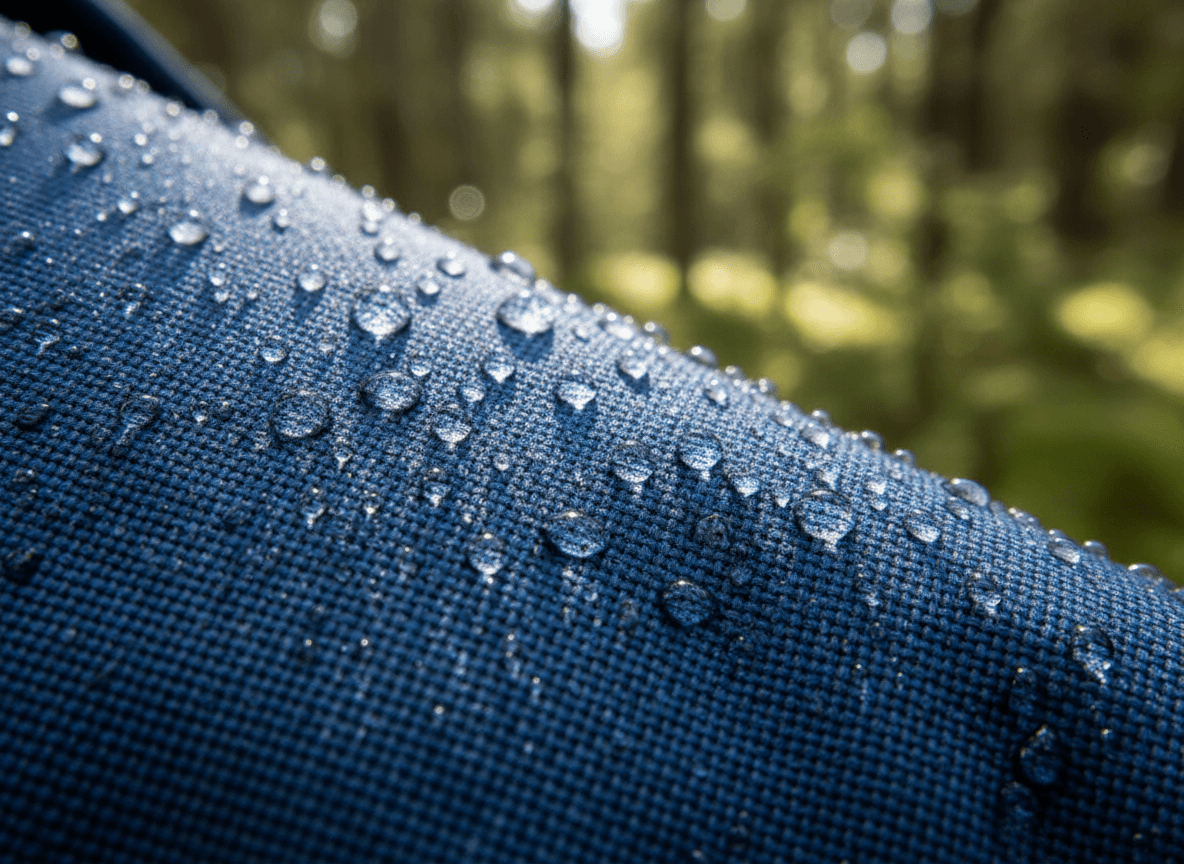
Understanding the science behind the tutorial helps in achieving the best results. DWR is a polymer applied to the outermost fabric layer. It creates a microscopic "forest" of spikes that increase the surface tension of the fabric. This causes water to bead up and roll off rather than spreading and soaking in.
| Feature | Specification | Impact on Performance |
|---|---|---|
| Surface Tension | High | Causes water to bead and roll off immediately. |
| Breathability | Maintained | Prevents the fabric from becoming a "water barrier" that traps sweat. |
| Durability | Temporary | Requires periodic heat activation or chemical replenishment. |
| Compatibility | Synthetic Fibers | Most effective on Nylon and Polyester shells. |
Step-by-Step Tutorial: Restoring Your Gear
Follow these steps precisely to ensure your technical gear returns to its factory-level performance.
Step 1: Preparation and Inspection
Begin by checking the pockets of your garment. Close all zippers, Velcro tabs, and cinches. This prevents the hardware from snagging the fabric during the wash cycle. Check the care label (usually found on the inner side seam) for specific temperature recommendations.
Step 2: Cleaning the Detergent Drawer
Standard laundry detergents contain surfactants and perfumes that attract water—the exact opposite of what we want for outdoor gear. Before starting, wipe out your washing machine’s detergent drawer to remove any residue from previous washes.
Step 3: The Cleaning Cycle
Place no more than two garments in the machine. Add the technical cleaner (follow the dosage instructions on the bottle). Set the machine to a synthetic or delicate cycle at 30°C or 40°C. This step removes the oils and dirt that mask the DWR coating.
Step 4: Applying the Waterproofing Agent
You have two choices here: wash-in or spray-on.
- Wash-in: If your garment is a multi-layer shell without a wicking liner, you can run a second cycle using a wash-in waterproofer. This ensures even coverage across the entire garment.
- Spray-on: If your jacket has a fleece or mesh lining, use a spray-on product. While the garment is still damp, hang it up and spray the outer fabric generously, focusing on high-wear areas like the shoulders and elbows. Wait 2 minutes, then wipe away any excess drips with a damp cloth.
Step 5: Drying and Heat Activation
Heat is the catalyst that "re-aligns" the DWR polymers. Place the garment in the tumble dryer on a medium heat setting for 20 to 30 minutes. If you do not have a dryer, you can carefully iron the dry garment on a low/delicate setting (no steam), using a towel as a protective barrier between the iron and the jacket.
Conclusion
Maintaining your technical outdoor gear is not just about performance; it is a commitment to sustainability. By restoring the DWR coating rather than replacing a "leaky" jacket, you reduce waste and ensure your equipment remains a reliable partner for years to come. A well-maintained shell will keep you dry, maintain its breathability, and protect you from the elements during your February adventures and beyond. Remember, a quick "bead test" with a few drops of water will tell you exactly when it’s time to repeat this tutorial.
FAQ: Frequently Asked Questions
How often should I waterproof my jacket? As a general rule, you should clean your technical gear every 20-30 hours of heavy use. You only need to re-apply the waterproofing agent when water stops beading on the surface even after a clean wash and dry.
Can I use regular detergent if I'm in a hurry? It is highly discouraged. Regular detergents leave behind hydrophilic (water-attracting) residues that will cause the fabric to wet out almost immediately, even if the membrane is intact.
My jacket is still leaking after this process. What's wrong? If water is still entering, the internal waterproof membrane may be physically damaged or the seam tape may be peeling. DWR only treats the outer fabric; it cannot fix a punctured membrane.
Is DWR environmentally friendly? Modern technical care brands have shifted toward PFC-free (perfluorocarbon-free) formulas. Look for products labeled as "Aqueous" or "PFC-Free" to ensure you are choosing an eco-conscious option that aligns with EXIsport’s values.