How to Start Cross-Country Skiing: A Beginner’s Step-by-Step Guide
Ready to trade the crowded ski lifts for the peaceful silence of the forest? Discover how to start cross-country skiing with our comprehensive guide covering gear selection, essential techniques, and the art of winter layering.
15.1.2026
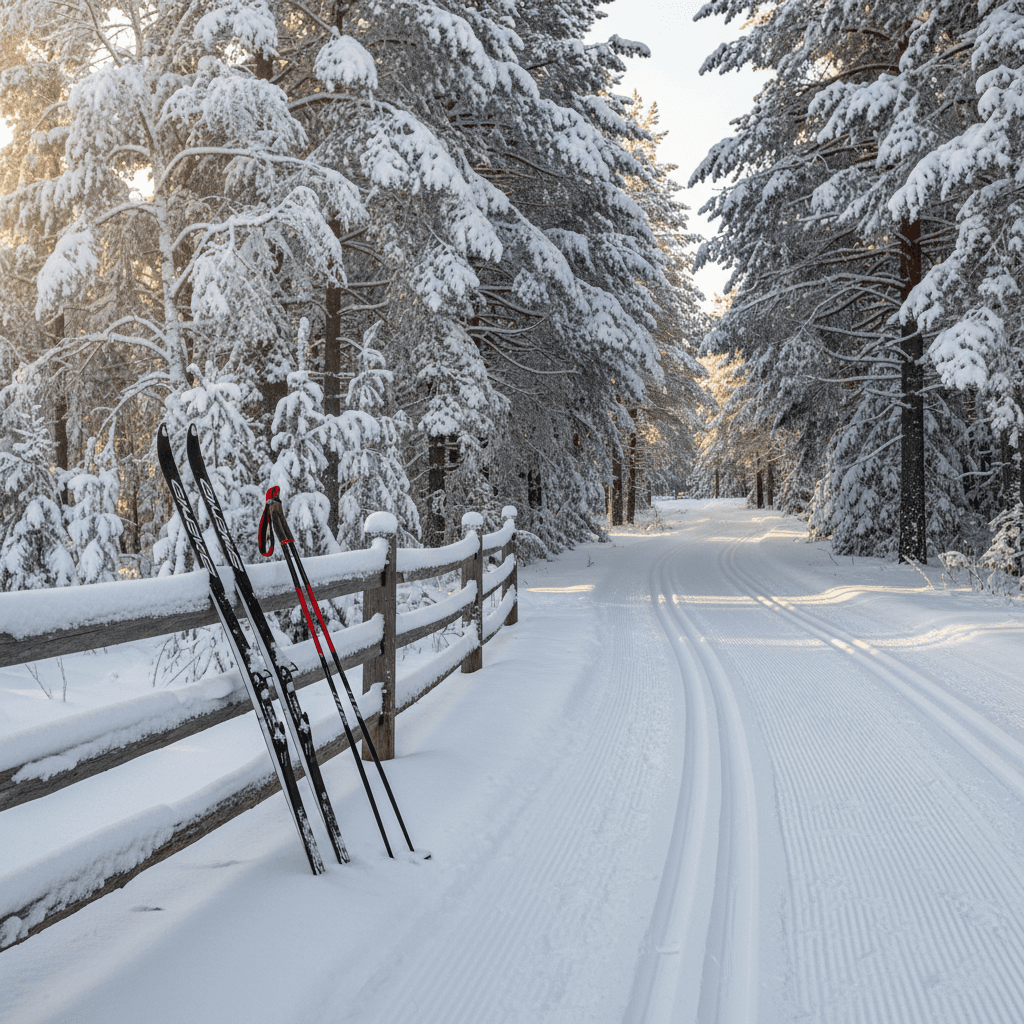
The Call of the Nordic Trails
As January reaches its peak and the landscape is blanketed in a thick layer of snow, many outdoor enthusiasts find themselves looking for ways to stay active without the logistical hurdles of alpine skiing. Cross-country skiing, also known as Nordic skiing, offers a unique blend of cardiovascular endurance, full-body strengthening, and a meditative connection with nature. Unlike the adrenaline-fueled descent of downhill skiing, cross-country skiing is about rhythm, persistence, and the joy of traversing untouched winter scenery.
At EXIsport, we believe that sport should be accessible and sustainable. Cross-country skiing is one of the most eco-friendly ways to enjoy the mountains, requiring no lifts and minimal infrastructure. Whether you are looking to boost your winter fitness or simply find a new way to enjoy the outdoors, this guide will provide you with the step-by-step instructions needed to glide confidently onto the trails.
Step 1: Choose Your Style – Classic vs. Skating
Before you purchase your first set of gear, you must decide which style of cross-country skiing you want to pursue. There are two primary disciplines:
- Classic Skiing: This is the traditional "kick and glide" movement. It is usually performed in groomed tracks (two parallel grooves in the snow). It is the most accessible style for beginners because the motion is similar to walking or running.
- Skate Skiing: This style resembles ice skating. You push off the edge of the ski in a V-shape. It is faster and more physically demanding than classic skiing and requires wider, firmly groomed trails.
For most beginners, classic skiing is the recommended starting point. It allows you to focus on balance and rhythm before moving on to more technical styles.
Step 2: Selecting the Right Equipment
Your equipment is the foundation of your experience. Unlike alpine gear, cross-country equipment is designed to be lightweight and flexible, allowing your heel to lift off the ski for natural movement.
The Skis
For beginners, "skin skis" have revolutionized the sport. These skis feature an integrated mohair skin in the kick zone (the middle of the ski) that provides grip on the snow without the need for complicated kick waxes.
 FISCHER TWIN SKIN SPORT EF MOUNTED IFP I are an excellent choice for newcomers. They feature the Twin Skin technology, which offers a reliable kick even in hard or icy conditions, and the Efficient Forward (EF) design that makes the "kick" movement much more forgiving for those still perfecting their technique. Currently available with a 20% discount, they are a smart investment for the season.
The Boots
Comfort is paramount. Cross-country boots should fit like a sturdy running shoe—snug but not restrictive. Look for boots that offer enough ankle support while allowing for a natural forward flex. The  FISCHER XC PRO WS 29020 (also at a 20% discount) provide a great balance of warmth and performance, designed specifically to keep your feet dry and comfortable during long sessions on the track.
The Poles
In cross-country skiing, poles are not just for balance; they are a major source of propulsion. For classic skiing, your poles should reach roughly to your shoulder. The  BLIZZARD XC Performance senior cross-country poles offer a lightweight yet durable option with a 25% discount, making them an affordable addition to your starter kit.
Step 3: Master the Art of Layering
Cross-country skiing is a high-intensity activity. You will sweat, even when the temperature is well below freezing. The key is to avoid heavy, non-breathable materials like cotton and instead use a three-layer system:
- Base Layer: This should be a moisture-wicking synthetic or merino wool layer that sits directly against your skin. It keeps you dry by moving sweat away from your body.
- Mid Layer: A thin fleece or technical shirt that provides insulation while remaining breathable.
- Outer Layer: A windproof and water-resistant softshell jacket and pants. Unlike downhill ski gear, these should be slim-fitting to allow for a full range of motion.
Don't forget technical socks and thin, windproof gloves. Keeping your gear organized is also part of the process; using something like the  FISCHER SKIFIX BOX XC 20 straps will help you transport your skis safely and prevent them from scratching each other.
Step 4: Your First Steps on the Snow
Once you have your gear, find a flat, groomed area to practice. Follow these steps to get moving:
- Putting on the Skis: Place your skis parallel on the snow. Step into the bindings, ensuring the toe of your boot clicks securely into the mechanism. Always put your poles on last.
- Find Your Balance: Stand with your feet hip-width apart. Gently shift your weight from side to side. Feel how the skis slide forward and back but resist sliding sideways.
- The Diagonal Stride: This is the core movement of classic skiing. Think of it as exaggerated walking.
- Push off with your right foot (the "kick").
- Glide forward on your left ski.
- Swing your right arm forward (with the pole) as your left leg glides.
- Repeat on the other side.
- Using the Poles: Plant your pole in the snow at an angle, roughly level with your opposite foot. Push down and back to help propel yourself forward. Avoid planting the pole too far in front of you, as this can act as a brake.
Step 5: Learning to Stop and Turn
Safety on the trails requires knowing how to control your speed.
- The Snowplow (Pizza): Just like in downhill skiing, bring the tips of your skis close together and push your heels out to form a V-shape. Apply pressure to the inner edges to slow down.
- The Step Turn: To change direction on flat ground, lift one ski and point it in the direction you want to go, then bring the other ski to match it. Repeat until you have completed the turn.
Step 6: Trail Etiquette and Safety
Cross-country trails are shared spaces. Following a few simple rules ensures everyone has a good time:
- Stay in the Tracks: If you are classic skiing, stay in the set grooves. If you need to stop, step out of the tracks so others can pass.
- Yield to the Downhill Skier: On narrow trails, the person skiing downhill has the right of way because they have less control and more momentum.
- Ski on the Right: Just like driving, stay to the right side of the trail unless passing.
- Check the Weather: Winter conditions can change rapidly. Always carry a phone, a small snack, and water.
Conclusion
Cross-country skiing is more than just a sport; it is a way to reclaim the winter months and transform them into a season of health and discovery. By choosing the right equipment, such as the high-quality Fischer skis and Blizzard poles available at EXIsport, and mastering the basics of the diagonal stride, you open the door to a lifetime of snowy adventures.
Remember that consistency is key. Your first few outings might feel a bit clumsy, but as your balance improves and your rhythm develops, you will find yourself gliding effortlessly through the winter wonderland. We invite you to explore our full range of Nordic gear and start your journey today. The trails are waiting—see you out there!
Keywords: cross-country skiing, Nordic skiing, winter fitness, ski equipment, layering, beginner guide.