Indoor Team Sports Gear: Your Essential FAQ for Peak Court Performance
As the winter season keeps us on the indoor courts, choosing the right gear is vital for performance and injury prevention. Our comprehensive FAQ guide covers everything from non-marking soles to floorball stick flex.
26.1.2026
Elevating Your Game on the Indoor Court
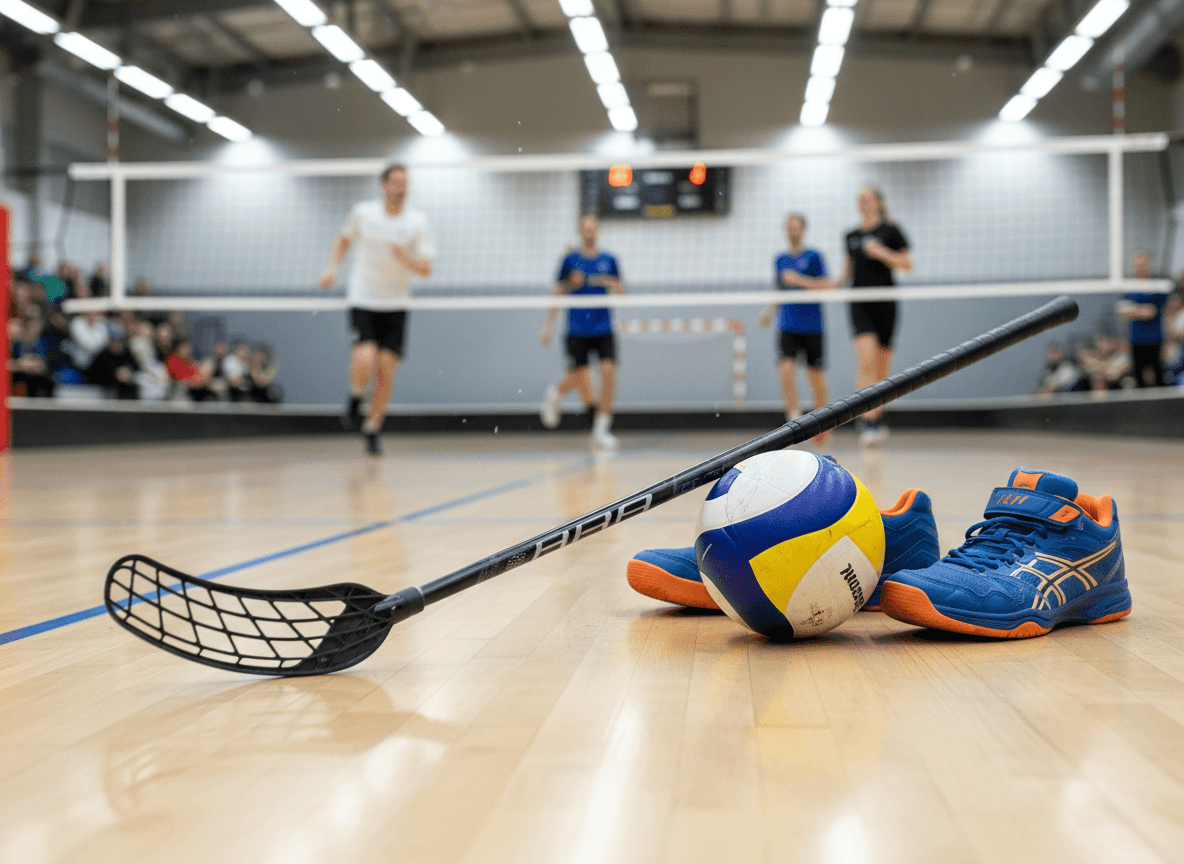
As January reaches its peak, the focus of the sporting world often shifts from the frozen trails and snowy slopes to the high-energy environment of the indoor arena. Whether you are a seasoned floorball player, a volleyball enthusiast, or a weekend basketball warrior, the transition to indoor surfaces demands a specific approach to equipment. The hard, polished floors of a gymnasium provide excellent traction but also place unique stresses on the human body and the gear we wear.
At EXIsport, we believe that performance is a marriage of preparation and the right technology. Selecting the correct indoor sports gear is not merely a matter of aesthetics; it is a critical factor in optimizing your agility, ensuring safety, and extending the lifespan of your equipment. This guide serves as a comprehensive resource to help you navigate the technical nuances of court sports equipment.
The Foundation of Performance: Indoor Footwear
The most vital piece of equipment for any indoor athlete is their footwear. Unlike running shoes, which are designed for linear motion, court shoes are engineered for multi-directional movement. Rapid lateral shifts, sudden stops, and explosive jumps are the hallmarks of indoor team sports.
The Importance of Lateral Stability
Court-specific shoes feature reinforced sidewalls and a lower profile to keep the foot closer to the ground. This design minimizes the risk of ankle rolls during quick changes of direction. Furthermore, the cushioning in these shoes is strategically placed to absorb impact from vertical jumps while maintaining the responsiveness needed for a quick first step.
The Non-Marking Mandate
One of the most common requirements for indoor facilities is the use of non-marking soles. These outsoles are typically made from a softer rubber compound that provides superior grip on wood or synthetic surfaces without leaving scuff marks. Maintaining the integrity of the court surface is essential for the safety of all players, as marks can create uneven friction zones.
Technical Equipment: Floorball and Volleyball
Beyond footwear, sports like floorball and volleyball require specialized hardware that must be tailored to the individual athlete’s physical attributes and playing style.
Floorball Stick Dynamics
In floorball, the stick is an extension of the player. Two primary factors determine its performance: length and flex. A stick that is too long will hinder ball control, while one that is too short can lead to back pain and reduced shooting power. The 'flex' refers to the stiffness of the shaft; a lower flex number indicates a stiffer stick, which is generally preferred by stronger players for powerful shots, whereas a higher flex is more forgiving and better for technical play and passing.
Volleyball Precision
For volleyball, the focus shifts to impact protection and ball handling. High-quality volleyballs are designed with a soft touch to reduce the sting of high-velocity serves and spikes, while specialized knee pads are essential for defensive players who frequently make contact with the floor.
Frequently Asked Questions (FAQ)
1. Why do I need specific shoes for indoor sports instead of using my regular running shoes?
Running shoes are designed for forward motion and often have high-profile soles that lack the lateral stability required for court sports. Using running shoes for sports like floorball or volleyball increases the risk of ankle injuries. Additionally, running shoe outsoles are often made of harder rubber that can mark or damage indoor court surfaces.
2. What exactly are "non-marking" soles?
Non-marking soles are made from specialized rubber compounds (often light-colored or gum rubber) that do not leave dark streaks or scuffs on gym floors. They are designed to provide maximum grip on smooth, indoor surfaces while preserving the floor's finish.
3. How do I determine the correct length for a floorball stick?
A general rule of thumb is that the stick (when standing vertically) should reach approximately 2 to 5 centimeters above the player's navel. If you are a more defensive player, you might prefer a slightly longer stick for a better reach, while offensive players often prefer a shorter stick for better ball handling in tight spaces.
4. What does the "flex" rating on a floorball stick mean?
Flex represents the amount of pressure (in millimeters) required to bend the shaft. A 26mm flex is stiff and suitable for powerful, adult players. A 29mm or 32mm flex is more flexible, making it easier for juniors or players who rely on wrist shots and technical finesse to "load" the stick during a shot.
5. How should indoor court shoes fit?
They should be snug but not restrictive. There should be about a half-centimeter of space at the toes to prevent bruising during sudden stops. It is crucial that the heel is locked in place; any slipping in the heel can lead to blisters and instability.
6. How often should I replace my indoor sports shoes?
Even if the upper part of the shoe looks new, the internal cushioning and the grip of the outsole degrade over time. For an athlete playing 2-3 times a week, we recommend replacing court shoes every 6 to 12 months to ensure continued impact protection and traction.
7. How do I maintain the grip on my indoor shoes?
Dust is the enemy of traction. To maintain grip, wipe the soles with a damp cloth before every game. Only wear your indoor shoes inside the gym; wearing them outside will trap dirt in the rubber and wear down the specialized grip pattern prematurely.
8. What is the best way to wash technical sports apparel?
To preserve the moisture-wicking properties of athletic apparel, wash items inside out in cold water. Avoid using fabric softeners, as they can clog the fibers and reduce the fabric's ability to breathe. Air drying is always preferable to a tumble dryer, as high heat can damage synthetic elastic fibers.
9. Do I really need specialized sports socks?
Yes. Technical sports socks are designed with moisture-wicking materials and targeted cushioning in the heel and forefoot. They help prevent blisters by reducing friction and keeping the feet dry, which is vital during high-intensity indoor sessions.
10. Can I use a floorball stick with a broken blade?
It is not recommended. A cracked or broken blade significantly impacts ball control and can be dangerous to other players if pieces of plastic splinter off. Most high-quality floorball sticks allow for blade replacement, which is a cost-effective way to refresh your gear.
Conclusion: Investing in Your Performance
Choosing the right indoor sports gear is an investment in your athletic journey. By understanding the technical requirements of your sport—from the grip of your soles to the flex of your stick—you empower yourself to play harder, faster, and safer. As the indoor season continues, take a moment to evaluate your current equipment. Is it providing the support you need? Does it meet the technical standards of your sport?
At EXIsport, we are committed to supporting your passion for movement. Whether you are diving for a volleyball or lining up a winning shot in floorball, the right gear ensures that your only focus is the game itself. Stay active, stay safe, and we look forward to seeing you reach new heights on the court this season.