Mastering Your Home Strength Training: A Complete Tutorial for Athletes
Transform your living space into a high-performance training zone. This comprehensive tutorial guides you through selecting the right equipment, mastering essential techniques, and structuring a home workout routine that delivers professional results.
15.1.2026
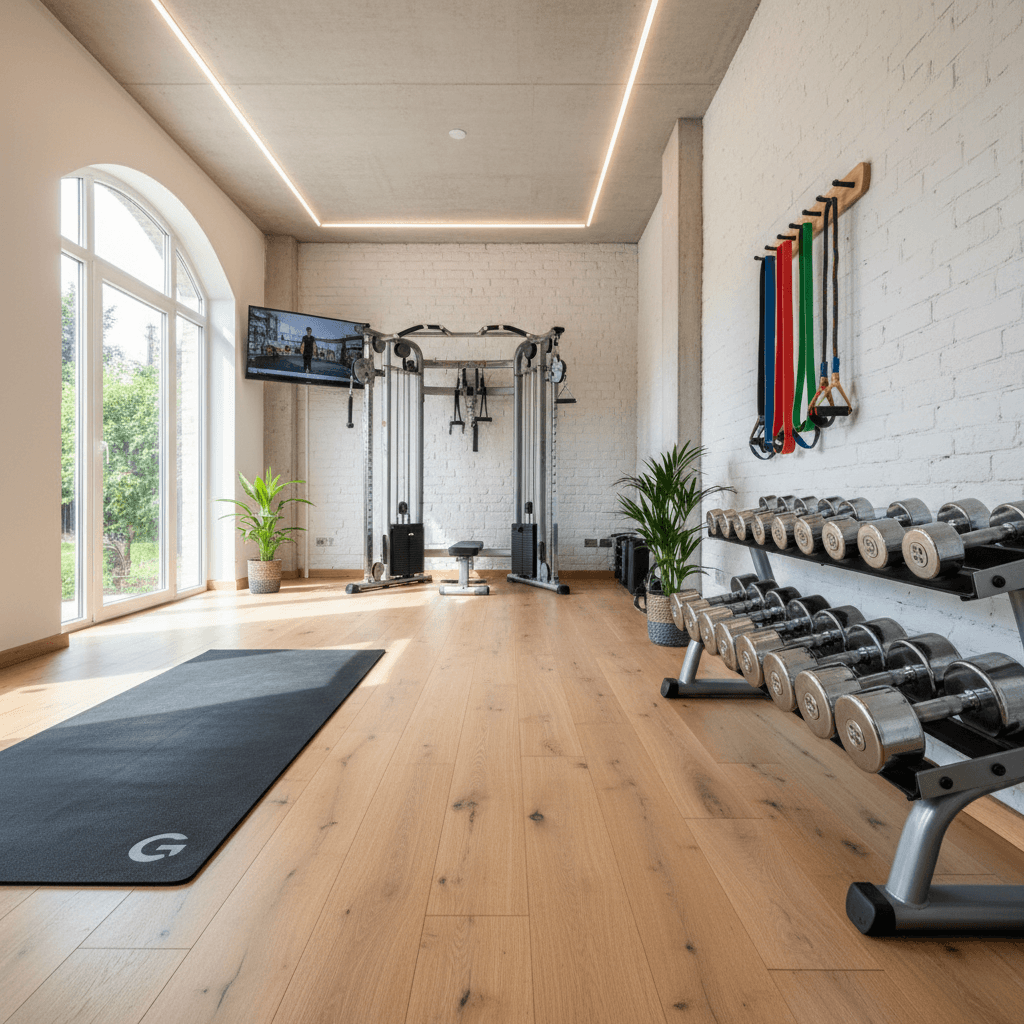
In the modern athletic landscape, the ability to maintain peak physical condition from the comfort of your own home is no longer just a convenience—it is a competitive advantage. Whether you are a runner looking to build explosive power, a cyclist aiming for core stability, or a fitness enthusiast seeking to improve overall health, a well-structured home strength training program is essential.
At EXIsport, we believe that professional-grade results start with the right knowledge and the right tools. This tutorial provides a step-by-step roadmap to building your home gym, mastering fundamental movements, and ensuring your training is both safe and effective.
Why Strength Training Matters for Every Athlete
Strength training is the foundation of athletic longevity. It goes beyond building muscle mass; it is about improving bone density, enhancing metabolic rate, and, most importantly, preventing injuries. For endurance athletes, strength work improves "economy"—the efficiency with which your body uses oxygen. For power athletes, it provides the raw force necessary for sprints and climbs.
By bringing your training home, you remove the barriers of travel time and gym memberships, allowing for greater consistency—the single most important factor in any fitness journey.
Essential Equipment for Your Home Gym
To get started, you don't need a room full of heavy machinery. A few versatile, high-quality pieces of equipment can facilitate hundreds of exercises. When selecting gear, focus on durability and ergonomics.
1. Resistance Bands
Resistance bands are perhaps the most underrated tool in a home gym. They provide linear variable resistance, meaning the tension increases as the band is stretched. This mimics the natural strength curve of your muscles and is excellent for joint stability and rehabilitation.
2. Dumbbells or Kettlebells
Free weights are the gold standard for building functional strength. They require the use of stabilizer muscles that machines often ignore. For a home setup, a set of adjustable dumbbells or a few key kettlebell weights (e.g., 8kg, 12kg, and 16kg) are ideal.
3. A High-Quality Exercise Mat
A thick, non-slip mat is crucial for floor work, core exercises, and stretching. It protects your joints from hard floors and provides the necessary grip for stability.
Step-by-Step: Setting Up Your Training Space
Before you pick up a weight, you must prepare your environment. A dedicated space signals to your brain that it is time to focus.
Step 1: Choose Your Zone
Select an area with at least 2x2 meters of clear floor space. Ensure the ceiling height is sufficient for overhead presses or jumping movements. Hardwood or tiled floors are best for stability, but always use a mat to prevent slipping.
Step 2: Optimize Lighting and Ventilation
Strength training generates significant body heat. If possible, set up near a window or ensure there is a fan nearby. Natural light is ideal for maintaining energy levels during morning workouts.
Step 3: Organize Your Gear
Keep your equipment accessible but tidy. Use a small rack or even a dedicated corner. When your tools are organized, you are less likely to skip a session due to the friction of "setting up."
Step 4: Establish a Visual Feedback Loop
If possible, place a mirror in your training area. Seeing your form in real-time is the best way to self-correct and prevent injury during complex movements like squats or deadlifts.
The Core Movements: A Technical Guide
Every effective strength program is built on five foundational movement patterns. Mastering these ensures a balanced physique and functional power.
1. The Squat (Knee Dominant)
Technique: Stand with feet shoulder-width apart. Keep your chest up and core engaged. Initiate the movement by sending your hips back, as if sitting in a chair. Lower until your thighs are parallel to the floor, ensuring your knees stay aligned with your toes. Drive through your heels to return to the start.
2. The Hinge (Hip Dominant)
Technique: This is the foundation of the deadlift and kettlebell swing. With a slight bend in the knees, push your hips back while keeping your spine neutral (flat). You should feel a stretch in your hamstrings. Squeeze your glutes to stand back up. This is vital for posterior chain strength.
3. The Push (Horizontal or Vertical)
Technique: Whether it's a push-up or an overhead press, focus on keeping your elbows at a 45-degree angle to your body (not flared out). Engage your core to prevent your lower back from arching.
4. The Pull (Horizontal or Vertical)
Technique: Using resistance bands or dumbbells, perform rows. Focus on pulling your shoulder blades together and down. Avoid shrugging your shoulders toward your ears.
5. The Lunge (Single Leg)
Technique: Step forward and lower your back knee toward the ground. Both knees should form 90-degree angles. Single-leg work is essential for correcting muscle imbalances and improving balance.
Structuring Your Routine
For most athletes, a Full Body Split performed 2-3 times per week is the most effective approach. This allows for adequate recovery while ensuring each muscle group is stimulated frequently.
Sample Home Circuit:
- Goblet Squats (using a dumbbell or kettlebell): 3 sets of 12 reps
- Push-ups: 3 sets to failure (or 10-15 reps)
- Resistance Band Rows: 3 sets of 15 reps
- Dumbbell Lunges: 3 sets of 10 reps per leg
- Plank: 3 sets, holding for 45-60 seconds
Safety and Progression
Progression is the key to results. However, never sacrifice form for weight. Use the "Two-for-Two" Rule: If you can perform two additional repetitions over your target in the last set of an exercise for two consecutive workouts, it is time to increase the resistance.
Always start with a 5-10 minute dynamic warm-up (arm circles, leg swings, light jogging in place) to prepare your joints and nervous system.
Conclusion
Building a home strength training practice is an investment in your long-term athletic performance. By focusing on fundamental movements, utilizing versatile equipment, and maintaining a consistent schedule, you can achieve professional-level fitness without ever leaving your house. Remember, the best workout is the one that actually happens. Start small, focus on technique, and enjoy the process of becoming a stronger version of yourself.
FAQ: Frequently Asked Questions
Q: How much weight should I start with? A: Choose a weight that allows you to complete your target reps with perfect form, but feels challenging for the last 2-3 reps. If your form breaks down, the weight is too heavy.
Q: Can I build muscle with just resistance bands? A: Yes. Resistance bands provide constant tension and can be very effective for hypertrophy (muscle growth), especially when used with higher repetition ranges and controlled eccentric (lowering) phases.
Q: How long should a home workout last? A: A focused strength session can be highly effective in just 30 to 45 minutes, including a warm-up. Quality of movement is always more important than the duration of the session.
Q: Should I train every day? A: No. Muscles grow and repair during rest, not during the workout. Aim for at least 48 hours of recovery between intense sessions for the same muscle groups.
Q: Is it necessary to wear shoes during a home workout? A: While some prefer training barefoot to improve foot mechanics, wearing supportive cross-training shoes is recommended for beginners to provide stability and protection, especially when using weights.