7 Essential Elements for Mastering Indoor Court Sports: A Guide to Peak Performance
Elevate your game this winter. From specialized footwear to agility drills, discover the essential elements needed to dominate the indoor court and stay injury-free.
19.1.2026
Introduction
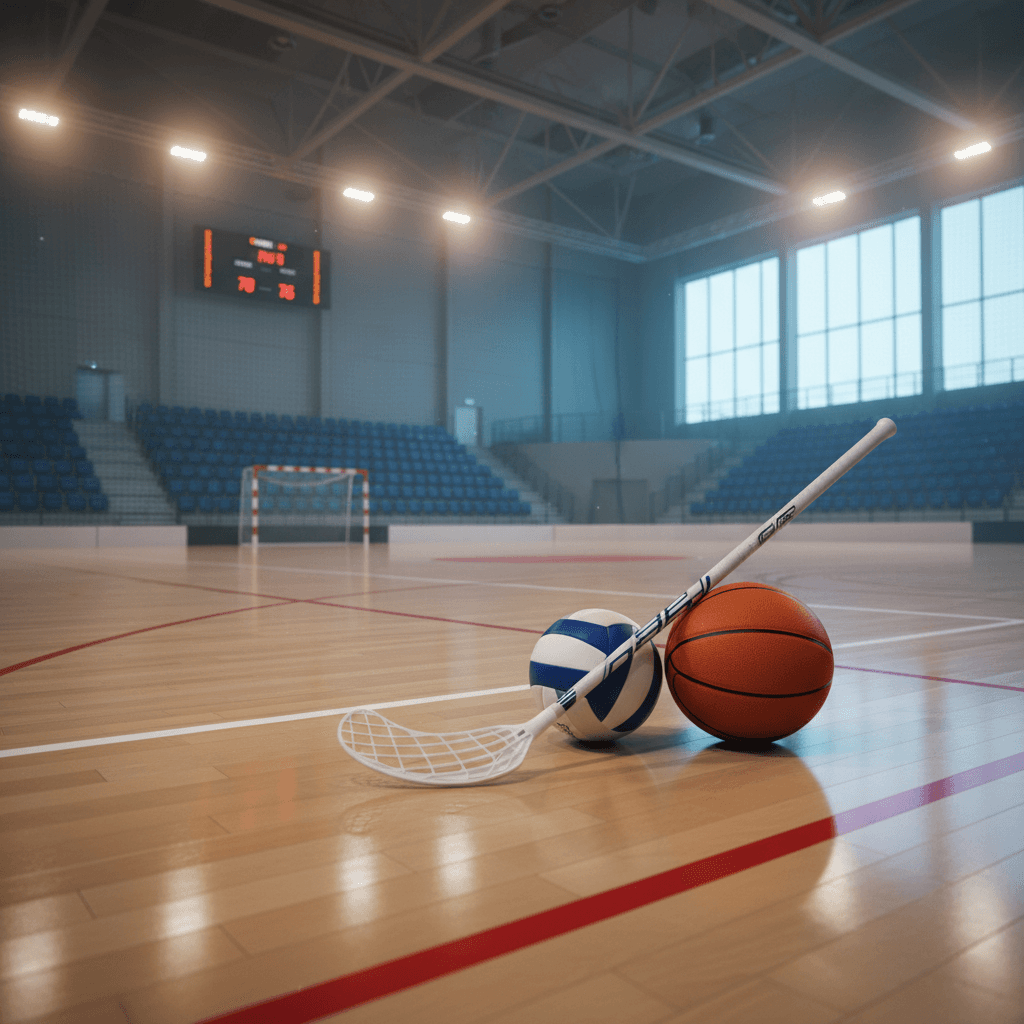
As the winter frost deepens in mid-January, many athletes transition from the unpredictable outdoor elements to the controlled, high-energy environment of the indoor court. Whether you are a seasoned floorball player, a competitive volleyball enthusiast, or a weekend basketball warrior, indoor sports demand a unique set of physical attributes and specialized preparation. The hard surfaces, rapid lateral movements, and high-intensity bursts of speed characteristic of court sports require a different approach compared to long-distance running or outdoor hiking.
At EXIsport, we believe that peak performance is the result of combining passion with the right technical knowledge. Transitioning indoors doesn't just mean moving your workout under a roof; it means recalibrating your gear, your training, and your recovery to suit the specific demands of court-based athletics. In this comprehensive guide, we explore the seven essential elements every athlete needs to master to excel in the indoor arena this season.
1. Specialized Footwear: The Foundation of Court Agility
The most critical piece of equipment for any indoor athlete is footwear. Unlike running shoes, which are designed for forward linear motion and heel-to-toe transition, court shoes are engineered for multi-directional stability.
Indoor surfaces, typically polished wood or synthetic materials, offer high traction but also require shoes that can handle sudden stops and sharp pivots. Look for footwear featuring non-marking rubber outsoles with a herringbone or hexagonal tread pattern for maximum grip. Lateral support is equally vital; the upper construction must be reinforced to prevent the foot from sliding over the midsole during aggressive side-to-side movements. Furthermore, indoor courts are unforgiving on the joints, making high-quality shock absorption in the heel and forefoot a non-negotiable feature for longevity and injury prevention.
2. Technical Apparel and Moisture Management
Indoor environments can quickly become humid and overheated during intense gameplay. Traditional cotton t-shirts absorb sweat, becoming heavy, abrasive, and uncomfortable. To maintain peak performance, athletes should opt for technical apparel made from advanced synthetic fibers or specialized blends.
Moisture-wicking technology is essential. These fabrics pull sweat away from the skin to the outer layer of the garment, where it can evaporate quickly. This process helps regulate body temperature and prevents the "chilling" effect during breaks in play. Additionally, consider the ergonomics of your clothing. Flatlock seams reduce chafing, while mesh panels in high-heat zones—such as the back and underarms—provide much-needed ventilation during the fourth quarter or the final set.
3. Protective Gear and Joint Support
The high-impact nature of sports like volleyball, handball, and floorball often leads to floor contact. Protective gear is not just for beginners; it is a professional necessity for anyone looking to play at their limit.
Kneepads with high-density foam or gel padding are essential for protecting against bursitis and bruising during dives or falls. Furthermore, because court sports involve constant jumping and pivoting, ankle stability is a common concern. Many athletes benefit from preventative bracing or high-quality compression sleeves that provide proprioceptive feedback, helping the brain better communicate with the joints to maintain balance and alignment during complex movements.
4. The Science of Indoor Hydration and Nutrition
It is a common misconception that athletes sweat less indoors because they are shielded from the sun. In reality, the lack of natural wind and the often-stagnant air of a gymnasium can lead to significant fluid loss through perspiration.
For indoor court sports, hydration should be proactive. Relying on thirst is often too late. For sessions lasting longer than 60 minutes, water alone may not be sufficient to replace the electrolytes—sodium, potassium, and magnesium—lost through sweat. Incorporating an electrolyte-rich drink can help maintain nerve function and muscle contractions, preventing the dreaded late-game cramps. Regarding nutrition, focus on easily digestible carbohydrates 90 minutes before play to ensure your glycogen stores are topped up for those explosive sprints.
5. Agility and Plyometric Training
Success on the court is often measured in milliseconds. To improve your reaction time and explosive power, your training routine must include agility drills and plyometrics.
Agility ladder drills, cone weaving, and shuttle runs are excellent for developing foot speed and coordination. Plyometric exercises, such as box jumps or lateral bounds, train the neuromuscular system to produce maximum force in minimum time. By incorporating these into your weekly routine, you build the "fast-twitch" muscle fiber capacity necessary to outpace your opponents and reach the ball faster.
6. Mental Focus and Team Dynamics
Indoor sports are frequently team-based, requiring high levels of communication and cognitive processing. The environment is often loud, fast-paced, and visually stimulating. Mastering the mental aspect of the game involves developing "court vision"—the ability to anticipate the movement of the ball and your teammates before it happens.
Practicing mindfulness and visualization can significantly enhance your performance. Before a match, spend ten minutes visualizing successful plays and maintaining composure under pressure. On the court, clear and concise communication with teammates reduces errors and builds the collective confidence required to turn a game around in the final minutes.
7. Post-Game Recovery Protocols
The hard surfaces of indoor courts can leave your muscles and joints feeling fatigued. A structured recovery protocol is the difference between being ready for the next practice and being sidelined by an overuse injury.
Immediate post-game recovery should include a cool-down period of light aerobic activity to help flush metabolic waste from the muscles. Following this, static stretching focusing on the calves, hamstrings, and hip flexors is vital, as these areas take the brunt of court-based movement. Utilizing recovery tools like foam rollers or massage balls can help release myofascial tension, ensuring you remain limber and ready for your next session.
Step-by-Step: The Ultimate 5-Minute Court Warm-Up
To prevent injury and prime your body for the specific demands of indoor sports, follow this targeted warm-up sequence before every match or practice:
- Dynamic Mobility (1 Minute): Perform arm circles and leg swings (forward and lateral) to increase the range of motion in your primary joints.
- Glute Activation (1 Minute): Execute 15-20 bodyweight squats and lateral lunges. This "wakes up" the large muscle groups responsible for stability and power.
- Ankle Priming (1 Minute): Perform standing calf raises and ankle circles. Given the frequency of lateral shifts, ensuring the ankles are warm is paramount.
- Neural Activation (1 Minute): Engage in high-knees or butt-kicks at a fast tempo for 30 seconds, followed by 30 seconds of "patter-steps" (fast feet) to alert your nervous system.
- Sport-Specific Movement (1 Minute): Perform 3-4 short, sub-maximal sprints (5-10 meters) including one or two sharp changes of direction to simulate game conditions.
Conclusion
Mastering indoor court sports is a multifaceted endeavor that extends far beyond the final whistle. By focusing on specialized footwear, technical apparel, and a dedicated approach to training and recovery, you position yourself to perform at your peak throughout the winter season. The transition to the indoor arena offers a fantastic opportunity to sharpen your agility, build team bonds, and maintain your athletic momentum when the outdoor trails are less accessible.
At EXIsport, we are committed to supporting your journey toward an active and healthy lifestyle. Whether you are upgrading your gear or looking for expert advice to refine your technique, remember that every great performance starts with the right preparation. Stay motivated, stay focused, and we look forward to seeing you dominate the court this year.
Ready to elevate your indoor game? Explore our extensive range of professional sports equipment and apparel to find exactly what you need for your next victory!