Mastering the Remote Wild: An Expert Interview on Survival Gear and Backcountry Safety
Venturing into the deep backcountry requires more than just courage; it demands a scientific approach to gear and safety. We sit down with wilderness survival expert Elena Vance to discuss the essential equipment and mental strategies needed for remote exploration.
21.1.2026
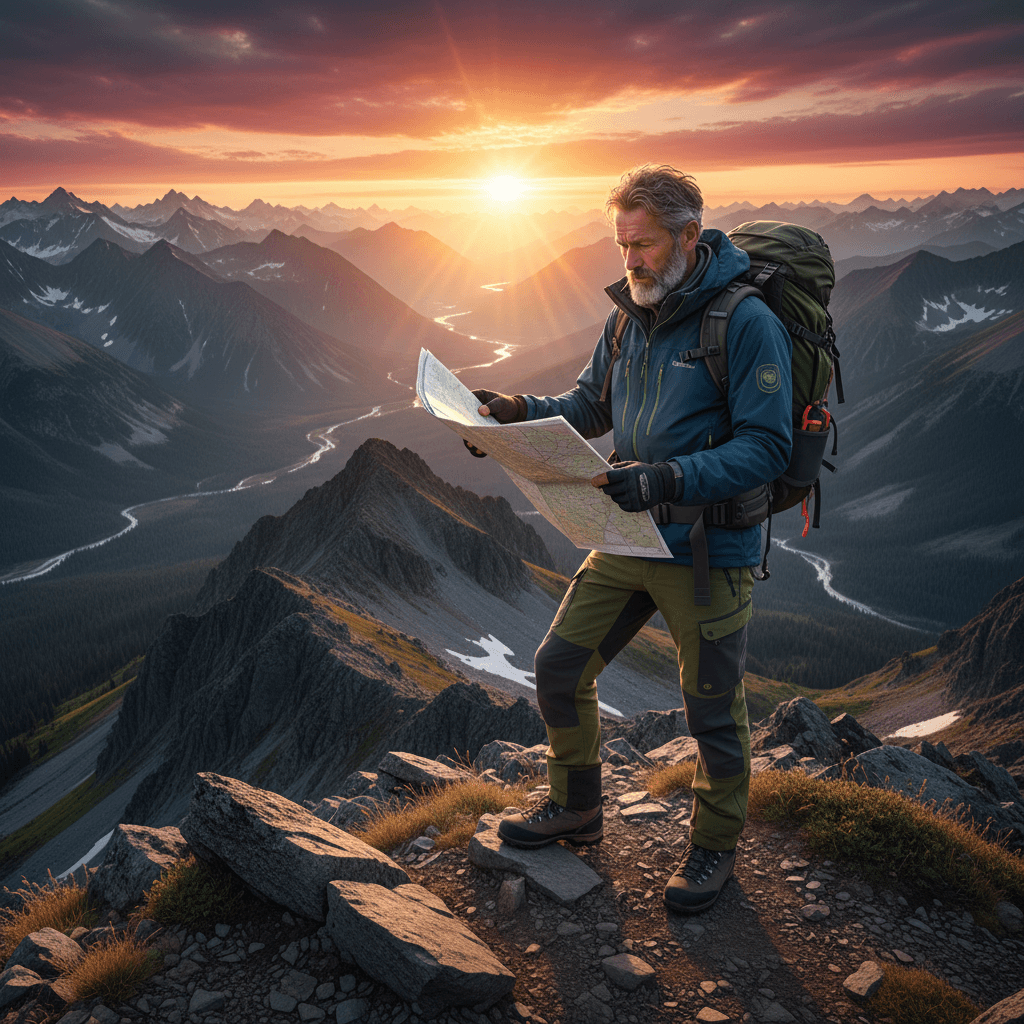
As the calendar turns to mid-January 2026, many outdoor enthusiasts are looking beyond the groomed trails and local hills toward the vast, untamed wilderness. However, the transition from a casual hiker to a backcountry explorer is a significant leap that requires specialized knowledge and uncompromising equipment. To understand the nuances of staying safe and efficient in remote environments, we spoke with Elena Vance, a renowned expert in outdoor gear and wilderness survival.
In this exclusive interview, Elena shares her insights on the evolution of survival technology, the psychology of preparedness, and why your gear choices are the most critical decisions you make before leaving the trailhead.
The Philosophy of Preparedness
EXIsport: Elena, thank you for joining us. To start, how do you define the difference between standard outdoor gear and true survival equipment?
Elena Vance: "It’s a pleasure to be here. The distinction is often found in the margin of error. Standard outdoor gear is designed for comfort and performance under expected conditions. Survival equipment, however, is designed to perform when those conditions fail. It’s about redundancy and durability. When you are three days away from the nearest road, your gear isn't just a convenience; it’s your life support system. I always tell my students that survival isn't about fighting nature; it's about understanding it and having the right tools to adapt."
EXIsport: We often hear about the 'Ten Essentials.' In 2026, with all our technological advancements, has that list changed?
Elena Vance: "The core principles remain the same—navigation, sun protection, insulation, illumination, first-aid, fire, repair kits, nutrition, hydration, and emergency shelter. What has changed is the sophistication of these items. We now have satellite communicators that weigh less than a protein bar and water filters that can remove viruses in seconds. But technology can fail. A true expert relies on the tech but masters the manual skill. You should have a GPS, but you must know how to read a topographic map and use a compass."
The Science of Technical Apparel
EXIsport: Layering is a topic we cover often, but in a survival context, how critical is the choice of fabric?
Elena Vance: "It is everything. In the backcountry, moisture is your greatest enemy. Whether it’s sweat from exertion or rain from a sudden storm, being wet leads to hypothermia, even in relatively mild temperatures. I advocate for a strict 'no cotton' rule. Synthetic fibers and high-quality merino wool are essential because they maintain some level of thermal regulation even when damp."
"Your clothing is your first layer of shelter. If that layer fails, every subsequent survival task becomes ten times harder because you are fighting your own physiology instead of the environment." — Elena Vance
EXIsport: What should explorers look for in a hardshell jacket for remote expeditions?
Elena Vance: "Look for breathability ratings just as much as waterproof ratings. If you are moving through rugged terrain, you will generate heat. If that heat can't escape, you’ll be soaked from the inside out. Features like pit zips, helmet-compatible hoods, and reinforced shoulders for heavy backpacks are non-negotiable for serious remote work."
Navigation and Communication in the Digital Age
EXIsport: How much should a modern explorer rely on digital tools for navigation?
Elena Vance: "Digital tools have revolutionized safety. Being able to send an SOS via satellite or track your exact coordinates on a digital map is incredible. However, I see a dangerous trend where people head into the wild with 10% battery and no backup. In a survival situation, your phone is a brick if it’s dead or if the touchscreen is wet. I always carry a dedicated, ruggedized GPS unit and a physical map. Reliability is the most important feature of any gear piece."
EXIsport: What about communication? Is a mobile phone enough?
Elena Vance: "Rarely. Once you step into deep valleys or high peaks, cellular signals vanish. For anyone going remote, a satellite-based messaging device is a mandatory investment. It allows you to check in with family, receive weather updates, and, if the worst happens, coordinate a rescue. It’s about taking the 'search' out of 'search and rescue.'"
The Psychology of Survival
EXIsport: You often speak about the 'Survival Mindset.' How does gear play into that?
Elena Vance: "Gear provides confidence, and confidence prevents panic. Panic is the leading cause of fatalities in the wilderness. When you know your stove will light in the wind, that your tent can withstand a gale, and that you have the tools to fix a broken boot, you stay calm. Calmness allows you to make rational decisions. The best piece of gear you own is the one you have practiced with until its use is second nature."
EXIsport: What is the most common mistake you see people make with their equipment?
Elena Vance: "Buying it and taking it straight into the field without testing it. I’ve seen people reach their campsite at dusk in a rainstorm only to realize they don't know how to pitch their new high-tech tent. Or they find out their new boots give them blisters after five miles. Every piece of gear should be 'vetted' in a controlled environment before it earns a spot in your pack for a remote trip."
Sustainability and the Eco-Conscious Explorer
EXIsport: At EXIsport, we value an eco-conscious approach. How can backcountry explorers balance high performance with environmental responsibility?
Elena Vance: "The best way to be sustainable in the outdoors is to buy quality gear that lasts a decade rather than a season. Cheap gear ends up in landfills. Furthermore, look for brands using recycled materials and PFC-free DWR (Durable Water Repellent) coatings. As explorers, we have a debt to the places we visit. Using biodegradable soaps, sticking to 'Leave No Trace' principles, and choosing gear from responsible manufacturers is how we pay that debt."
Essential Gear for the 2026 Season
EXIsport: If someone is looking to upgrade their kit this winter for more ambitious spring adventures, where should they start?
Elena Vance: "Start with the 'Big Three': your pack, your shelter, and your sleep system. These are the heaviest items and the ones that provide the most safety. A modern, ergonomic backpack reduces fatigue, which prevents trips and falls. A lightweight, four-season shelter protects you from the elements, and a high-R-value sleeping pad is critical for retaining body heat when sleeping on cold ground."
"Don't skimp on your footwear. Your feet are your only way out of the wilderness. Invest in boots with a proven traction sole and a membrane that actually breathes." — Elena Vance
Conclusion
Mastering the remote wild is a journey of continuous learning. As Elena Vance highlighted, the synergy between high-quality technical gear and expert knowledge is what separates a dangerous situation from a successful adventure. Whether you are planning a multi-day trek through the Tatras or exploring the remote forests of Northern Europe, your preparation defines your experience.
At EXIsport, we are committed to providing the authentic, high-performance gear that experts like Elena trust. By choosing quality equipment and respecting the power of nature, you can push your limits and discover the true meaning of adventure.
Ready to gear up for your next expedition? Explore our professional outdoor collection and start your journey toward peak performance today.
This interview was conducted as part of our Expert Series, bringing you professional insights into the world of sports and outdoor activities.