Mastering the Transition: Preparing Your Gear and Body for Spring Cycling
As the winter frost begins to recede, it is time to shift focus toward the upcoming cycling season. Discover our expert guide on comprehensive bike maintenance, strategic pre-season training, and the essential gear needed to master the transition from winter dormancy to spring performance.
23.1.2026
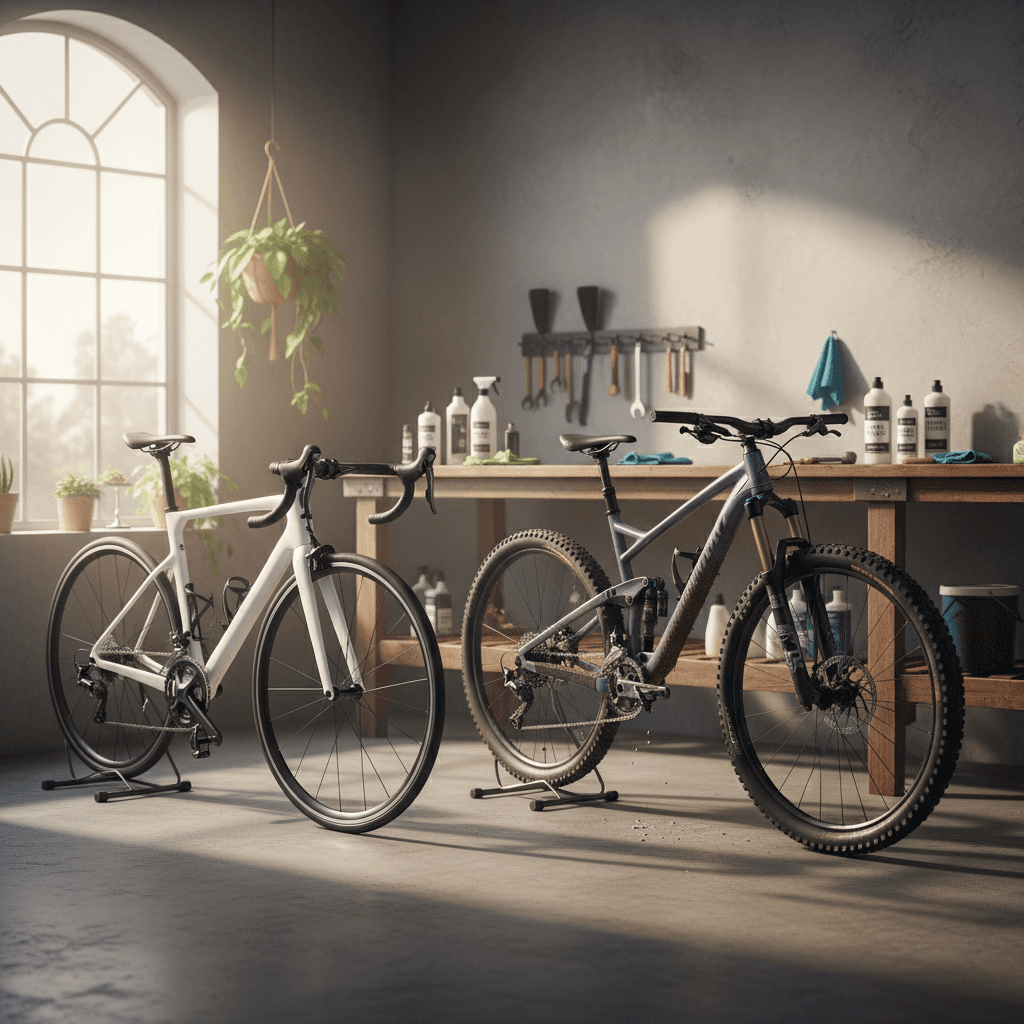
As we reach the latter half of January, the dedicated cyclist knows that the foundation for a successful season is laid long before the first warm breeze of April. While the peaks may still be dusted with snow, the valley trails and road circuits are calling for preparation. Transitioning from winter indoor training or complete dormancy to the rigors of outdoor cycling requires a dual approach: a meticulous audit of your equipment and a structured reconditioning of your physical form.
At EXIsport, we believe that performance is a result of preparation. Whether you are a road enthusiast, a trail-blazing mountain biker, or a daily e-bike commuter, the steps you take now will determine the longevity of your gear and the quality of your early-season rides. This guide provides professional tips on bike maintenance, cycling performance, and the technical nuances of spring preparation.
The Pre-Season Bike Audit: Beyond a Simple Wash
Winter storage, even in a climate-controlled environment, can lead to subtle degradations in your bicycle’s performance. Dust accumulation, the drying of essential lubricants, and the loss of tire pressure are inevitable. However, if you have been riding through the winter, the challenges are even greater: road salt, grit, and moisture are the primary enemies of your drivetrain and bearings.
Deep Cleaning and Degreasing
A professional-grade clean is the first step in any maintenance routine. It is not merely about aesthetics; a clean bike allows you to inspect the frame for hairline cracks and the components for wear that might otherwise be hidden by grime. Using specialized cleaners is critical because household detergents can often contain salts or chemicals that damage delicate seals or strip away protective finishes.
For those seeking a comprehensive solution, the  8-In-One Bike Cleaning Kit offers everything required to restore your machine to showroom condition. This kit, currently available with a 16% discount, includes specialized brushes for hard-to-reach areas and high-performance cleaners that are safe on all surfaces, including carbon fiber.
The Specific Needs of eBikes
Electric bikes require a more nuanced approach to bicycle care. The presence of sensitive electronic components, mid-drive motors, and battery interfaces means that high-pressure water should be avoided. Furthermore, the higher torque generated by e-bike motors puts additional strain on the chain and cassette, necessitating specific lubricants that can withstand these forces.
To ensure your electric drivetrain remains efficient, the  eBike Clean, Protect & Lube Kit is an essential investment. It provides the protection needed for electronic contacts and the heavy-duty lubrication required for high-torque systems, ensuring your cycling performance remains consistent throughout the spring.
Step-by-Step Guide to a Professional Spring Tune-Up
Follow these steps to ensure your bicycle is safe and ready for the road or trail:
- Degrease the Drivetrain: Apply a dedicated degreaser to the chain, cassette, and chainrings. Let it sit for several minutes to break down old, contaminated grease before scrubbing with a stiff-bristled brush.
- The Main Wash: Use a bike-specific cleaner and a soft sponge to wash the frame, wheels, and components. Rinse with a low-pressure stream of water.
- Inspect Brake Systems: For rim brakes, check for pad wear and ensure the braking surface is clean. For disc brakes, inspect the pad thickness and check the rotors for any signs of warping or thinning. If the levers feel 'spongy,' a brake bleed may be necessary.
- Tire and Sealant Check: Inspect tires for cuts or embedded debris. If you run a tubeless setup, now is the time to top up or replace your sealant, as it often dries out over the winter months.
- Bolt Torque Verification: Using a torque wrench, check all critical bolts, including the stem, handlebars, seatpost, and crankarms. Vibrations from previous rides can loosen these over time.
- Lubrication: Apply a high-quality lubricant to the chain, ensuring each link is coated. Wipe off the excess to prevent the attraction of new dirt.
Technical Apparel for the Transitional Season
One of the greatest challenges of spring cycling is the volatility of the weather. A ride that starts in crisp 5°C morning air can easily end in 15°C sunshine. Mastering cycling apparel during this period is a matter of strategic layering.
- The Base Layer: A moisture-wicking synthetic or merino wool base layer is essential to keep sweat away from the skin, preventing the chill during descents.
- The Windproof Shell: A lightweight, packable windproof jacket or gilet (vest) is the most versatile tool in your spring wardrobe. It protects your core from cold air but can be easily stowed in a jersey pocket as the temperature rises.
- Thermal Accessories: Arm and leg warmers allow you to adapt your outfit mid-ride. They provide the warmth of a full winter kit with the flexibility of a summer jersey and shorts.
Physical Reconditioning: Pre-Season Training Tips
While your gear is being prepared, your body requires equal attention. Jumping immediately into high-intensity climbs or long-distance endurance rides can lead to overuse injuries. Pre-season training should focus on building a resilient foundation.
Base Miles and Zone 2 Training
Early spring is the time for 'base miles.' Focus on low-intensity, steady-state rides (Zone 2) to improve your aerobic efficiency and fat metabolism. This builds the mitochondrial density required for the harder efforts later in the season.
Mobility and Core Strength
Cyclists often suffer from tight hip flexors and hamstrings due to the repetitive nature of the pedal stroke. Incorporate a mobility routine twice a week, focusing on the posterior chain and core stability. A strong core not only improves power transfer to the pedals but also reduces the risk of lower back pain during long rides.
Conclusion
The transition from winter to spring is a pivotal moment for every athlete. By dedicating time now to thorough bike maintenance and a structured approach to spring cycling tips, you ensure that your first rides of the season are defined by speed and enjoyment rather than mechanical failures or physical fatigue.
Remember that quality bicycle care is an investment in your safety and the longevity of your equipment. Whether you are upgrading your maintenance kit or refining your cycling performance strategy, the goal remains the same: to embrace the freedom of the open road with total confidence. Prepare your gear, prime your body, and get ready for a remarkable season ahead.