Mastering the Ascent: A Comprehensive Tutorial on Ski Touring Skin Care and Technique
Unlock the secrets to efficient climbing with our expert tutorial on ski touring skins. From flawless application to long-term maintenance, learn how to optimize your ascent and protect your gear.
19.1.2026
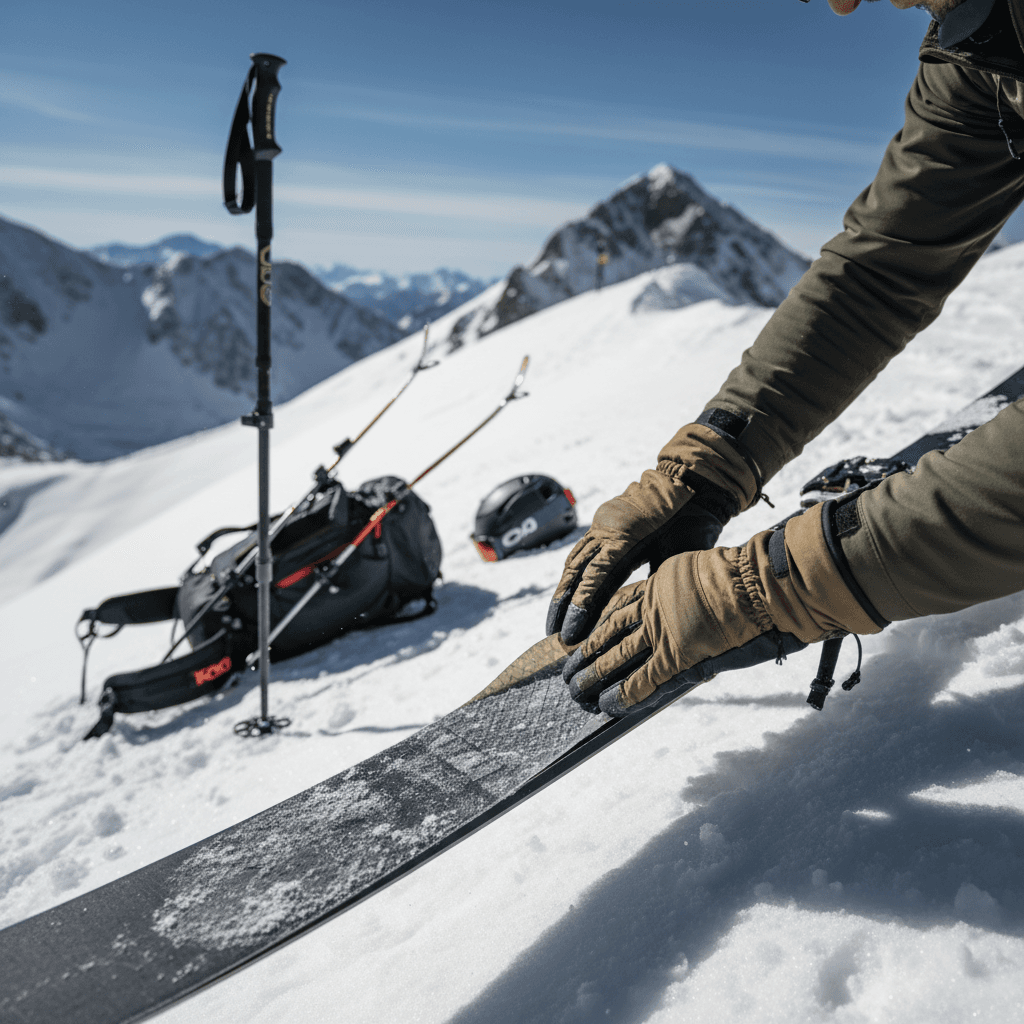
Introduction to the Art of the Ascent
Ski touring, or skimo, represents the ultimate freedom in the winter mountains. It allows you to bypass the crowded lift lines and find solitude in the backcountry. However, your ability to reach those pristine powder stashes depends heavily on one piece of equipment: your climbing skins. These specialized strips of mohair or nylon are the bridge between you and the summit, providing the friction necessary to walk uphill on snow.
For many beginners and even intermediate tourers, skins can be a source of frustration. They might lose their stickiness in the cold, ice up during a climb, or fail to glide efficiently. This tutorial is designed to transform you into a master of the ascent. We will cover everything from the initial application to technical maintenance and advanced skinning techniques, ensuring your next adventure is defined by performance rather than equipment failure.
Understanding Your Climbing Skins
Before we dive into the "how-to," it is essential to understand what you are working with. Climbing skins are composed of three main layers:
- The Plush: The hairy side that touches the snow. It is designed to glide forward and grip when pushed backward.
- The Membrane/Backing: The middle layer that prevents moisture from reaching the glue.
- The Adhesive: The sticky side that attaches the skin to the ski base.
Material Composition
- Mohair: Made from Angora goat hair. It offers the best glide and remains supple in extremely cold temperatures but wears out faster.
- Nylon: Highly durable and provides excellent grip, especially on steep or icy terrain, but has less glide and can be bulkier.
- Mix (70/30): The most popular choice for all-around touring, balancing the glide of mohair with the durability of nylon.
Material List for Skin Maintenance
To follow this tutorial and keep your gear in peak condition, you will need the following items:
- Climbing Skins: (Properly trimmed to your skis)
- Skin Wax or Impregnation Spray: To prevent glopping (snow buildup).
- Skin Spacers (Cheat Sheets): For long-term storage.
- Microfiber Cloth: For cleaning ski bases.
- Glue Renew Sheets: (Only for major repairs).
- Small Scissors: For trimming frayed edges.
Step-by-Step: How to Apply Climbing Skins Correctly
Applying skins might seem straightforward, but doing it correctly in windy or freezing conditions requires a disciplined process. Follow these steps to ensure a secure bond.
Step 1: Prepare the Ski Base
Before applying the skin, ensure your ski base is dry and free of snow or ice. Use your glove or a cloth to wipe the base from tip to tail. Any moisture trapped under the skin will eventually freeze and cause the adhesive to fail.
Step 2: Secure the Tip Attachment
Hook the tip loop of the skin over the tip of your ski. Ensure it is centered. If your skins have a specific tip-to-tail tension system, make sure the front is locked in place before proceeding.
Step 3: Align and Press
Slowly pull the skin down the length of the ski. Use your hand to press the skin firmly onto the base as you go. It is crucial to keep the skin centered so that the metal edges of your skis remain exposed. You need those edges for grip on traverses!
Step 4: Secure the Tail Clip
Once you reach the end, hook the tail clip over the rear of the ski. Adjust the tension so the skin is taut but not overstretched. A common mistake is leaving the skin too loose, which allows snow to creep under the adhesive.
Step 5: Final Press
Run your palm firmly down the entire length of the skin one last time to ensure maximum contact and to squeeze out any air bubbles.
Technical Specifications and Fit
When choosing or trimming skins, keep these technical parameters in mind:
| Feature | Specification | Impact on Performance |
|---|---|---|
| Width | 2-4mm narrower than ski waist | Allows edges to grip on icy traverses. |
| Length | Tail clip should have 5-10cm of adjustment | Accommodates different ski lengths and tension needs. |
| Glue Type | Hot-melt or Acrylate | Hot-melt is traditional and renewable; Acrylate is easier to pull apart. |
| Weight | ~250g - 350g per skin | Critical for long-distance endurance. |
Advanced Technique: The Kick Turn
Once your skins are on, the real work begins. The most essential skill for any ski tourer is the Kick Turn. This allows you to change direction on steep slopes where a simple curve isn't possible.
- Stance: Create a stable platform with your lower ski perpendicular to the fall line.
- The First Move: Shift your weight to the lower ski and swing the upper ski around to face the new direction.
- The Kick: This is the tricky part. Shift your weight to the newly turned ski. Kick the heel of the remaining ski down and back to flip the tip up, then swing it around to join the first ski.
- Stability: Always keep your poles planted for balance throughout the movement.
Essential Skin Care and Maintenance
To ensure your skins last for many seasons, follow these maintenance rules:
Preventing "Glopping"
Glopping occurs when wet snow sticks to the plush side of your skins, making them incredibly heavy. To prevent this, regularly apply a waterproof skin wax or impregnation spray. Always apply this in the direction of the hair (tip to tail).
Drying Your Skins
After every tour, hang your skins to dry in a room-temperature environment. Never place them directly on a radiator or near a wood stove, as excessive heat will ruin the adhesive and make it "goopy," leaving a residue on your ski bases.
Storage
For short breaks during a tour, you can fold the skins glue-to-glue. For long-term storage (especially over the summer), use "cheat sheets" (mesh spacers) between the adhesive surfaces. Store them in a cool, dark place in their provided bag.
Troubleshooting Common Issues
- Skins won't stick: This usually happens because the glue is too cold or the ski base was wet. Warm the skins inside your jacket against your body for a few minutes before reapplying.
- Snow under the skin: If snow gets under the tail, it will quickly spread. Strip the skin, wipe the base dry, and try to warm the glue before reattaching. You can use ski straps to hold a failing tail in place in an emergency.
- Ripped Plush: If you see small frays on the edges, carefully trim them with sharp scissors to prevent further unraveling.
Conclusion
Mastering the use and care of climbing skins is a rite of passage for every backcountry enthusiast. By understanding the materials, perfecting your application technique, and committing to regular maintenance, you ensure that your gear works for you, not against you. Remember, the ascent is half the journey—treat your skins with respect, and they will lead you to the most breathtaking views and the finest descents the mountains have to offer. Stay safe, check the avalanche forecast, and enjoy the climb!
FAQ: Frequently Asked Questions
Q: How often should I re-glue my skins? A: Most high-quality skins can last 3-5 seasons before needing a full glue refresh. If you notice large patches where the glue is missing or if they no longer stay on the ski despite being warm and dry, it’s time for a refresh.
Q: Can I use the same skins for different pairs of skis? A: Only if the skis have very similar dimensions. Skins must be wide enough to cover the base but narrow enough to leave the edges exposed. If the skins are too narrow, you will lose grip on firm snow.
Q: What should I do if my skins freeze during a tour? A: Rip them off and put them inside your base layer or jacket. Your body heat is the most effective tool for reviving frozen adhesive in the field.
Q: Is mohair really better than nylon? A: It depends on your goals. For racing and long tours with lots of horizontal movement, mohair's glide is superior. For steep, technical climbs or beginners who need maximum grip, nylon or a mix is often better.
Q: How do I clean dirt or pine needles out of the glue? A: For small debris, you can use tweezers. For heavily contaminated skins, you may need to use a specialized cleaning solvent or perform a partial glue replacement using a hot iron and brown paper to lift the old glue.