The Ultimate Guide to Sports Gear Maintenance: Expert Tips for Longevity and Performance
Maximize your investment and ensure peak performance on every adventure. Our comprehensive guide to sports gear maintenance answers your most frequent questions about cleaning, storing, and protecting your favorite equipment.
15.1.2026
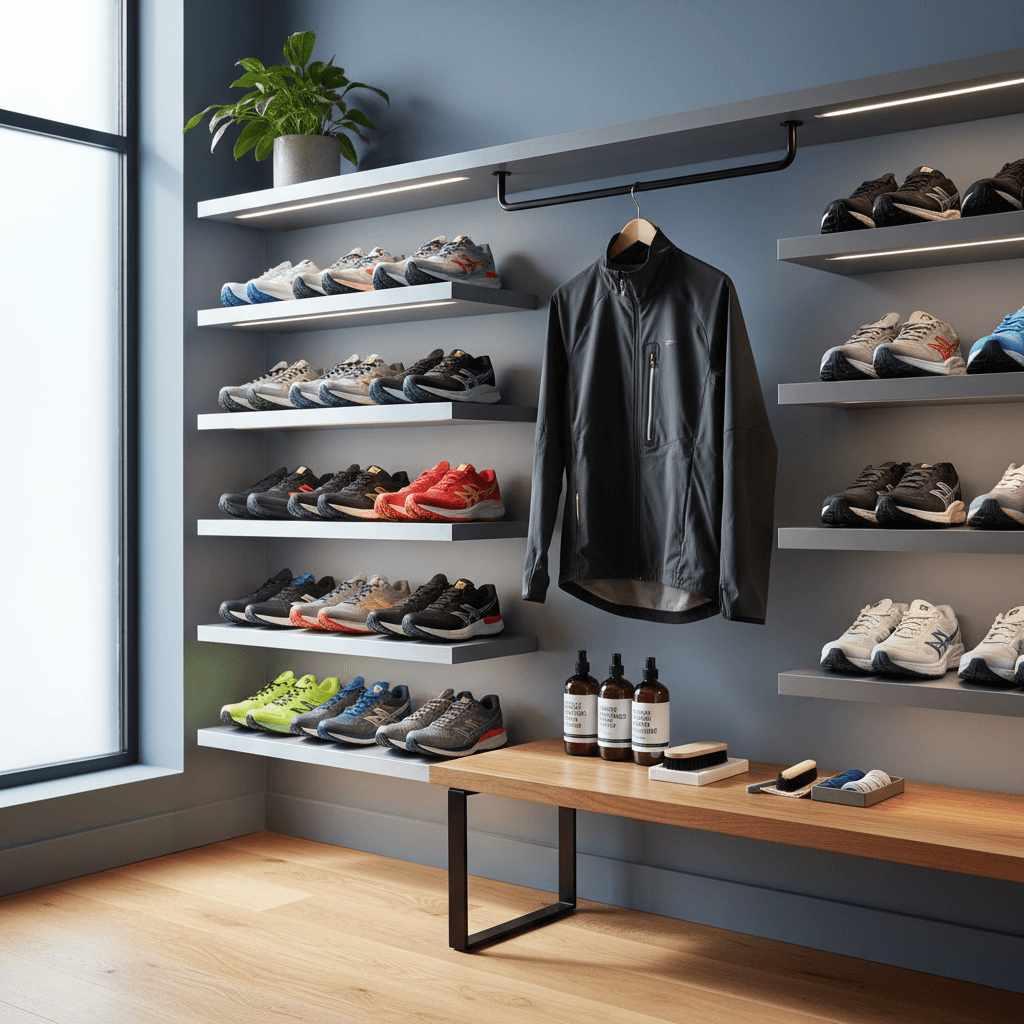
Investing in high-quality sports gear is an investment in your performance, comfort, and safety. Whether it is a pair of advanced running shoes, a technical waterproof jacket, or specialized outdoor equipment, how you care for these items determines how long they will serve you. At EXIsport, we believe in the "Think ECO" philosophy—the most sustainable product is the one that lasts for years because it was well-maintained.
Proper maintenance does not just save you money; it ensures that the technical features of your gear, such as breathability, water resistance, and structural integrity, remain intact. In this guide, we will explore the best practices for keeping your gear in top shape and answer the most common questions our experts receive.
Why Maintenance Matters
Every time you hit the trail, the gym, or the slopes, your gear is exposed to sweat, dirt, UV rays, and mechanical stress. Salt from sweat can degrade technical fabrics, while grit and mud can act like sandpaper on the fine fibers of your footwear. Regular cleaning and correct storage prevent these elements from causing premature wear and tear. Furthermore, maintaining your equipment is a crucial safety step—checking your gear regularly allows you to spot potential failures before they happen in the middle of an activity.
Caring for Technical Apparel
Technical clothing, especially items featuring waterproof membranes or moisture-wicking properties, requires more than just a standard laundry cycle.
Washing and Drying
Standard detergents often contain softeners and brighteners that can clog the pores of breathable membranes or strip away Durable Water Repellent (DWR) coatings. Always use specialized cleaners designed for technical fabrics. When washing, ensure all zippers and Velcro straps are closed to prevent snagging.
Re-waterproofing
If you notice that water is no longer "beading" on the surface of your jacket but is instead soaking into the outer fabric, it is time to renew the DWR coating. This can be done with spray-on or wash-in treatments. This process is essential for maintaining breathability; if the outer fabric is saturated, sweat cannot escape from the inside.
Footwear Longevity
Your shoes are perhaps the hardest-working part of your kit. To extend their life:
- Never machine wash: The heat and agitation can break down the adhesives and midsole foam.
- Air dry naturally: Avoid placing shoes directly on radiators, as extreme heat can make materials brittle and cause them to shrink or warp.
- Remove insoles: After a workout, take out the insoles to allow moisture to evaporate from the footbed.
Frequently Asked Questions (FAQ)
1. How often should I wash my technical waterproof jacket?
You should wash your jacket whenever it looks visibly dirty or if you notice it is losing its breathability. For frequent users, this might be every 20-30 days of heavy use. Dirt and body oils can damage the membrane, so keeping it clean actually extends its life.
2. Can I use regular fabric softener on my gym clothes?
No. Fabric softeners leave a waxy coating on fibers to make them feel soft. This coating destroys the moisture-wicking capabilities of synthetic sports fabrics, trapping sweat and odors inside the garment.
3. How should I store my winter gear during the summer months?
Ensure all items are completely clean and dry before storage. Store them in a cool, dry place away from direct sunlight. For items like down jackets or sleeping bags, avoid using compression sacks for long-term storage; instead, hang them or use a large, breathable storage bag to maintain the "loft" of the insulation.
4. My running shoes still look new, but I have had them for a year. Should I replace them?
Appearance can be deceiving. Most running shoes have a functional lifespan of 600 to 800 kilometers. Over time, the cushioning foam (EVA) loses its ability to absorb shock, even if the tread looks fine. If you start feeling new aches in your knees or arches, it might be time for a new pair.
5. How do I get rid of persistent odors in synthetic sports shirts?
Persistent odors are caused by bacteria trapped in the synthetic fibers. Use a specialized "sport wash" detergent and avoid high heat. For stubborn smells, soaking the garment in a mixture of water and white vinegar before washing can help neutralize the bacteria.
6. Is it necessary to clean my hiking boots after every hike?
A quick brush to remove dry mud is highly recommended. If mud is left on leather or synthetic uppers, it can draw out moisture, causing the material to crack over time. A 5-minute cleanup after each trip can add years to the life of your boots.
7. What is the best way to store a hydration bladder?
After cleaning with mild soap and water, the most important step is drying. Store the bladder in the freezer if you have space—this prevents any residual bacteria or mold from growing. Alternatively, use a drying rack to ensure no moisture is trapped inside.
Conclusion
Taking care of your sports gear is an essential habit for any active individual. By following these simple maintenance steps and addressing issues early, you ensure that your equipment remains a reliable partner in your fitness journey. Remember, quality gear is designed to last, but it needs your help to reach its full potential.
If you are unsure about the specific care instructions for a product, always check the manufacturer's label or reach out to our team at EXIsport for expert advice. Keep your gear clean, store it correctly, and it will keep you moving for seasons to come.